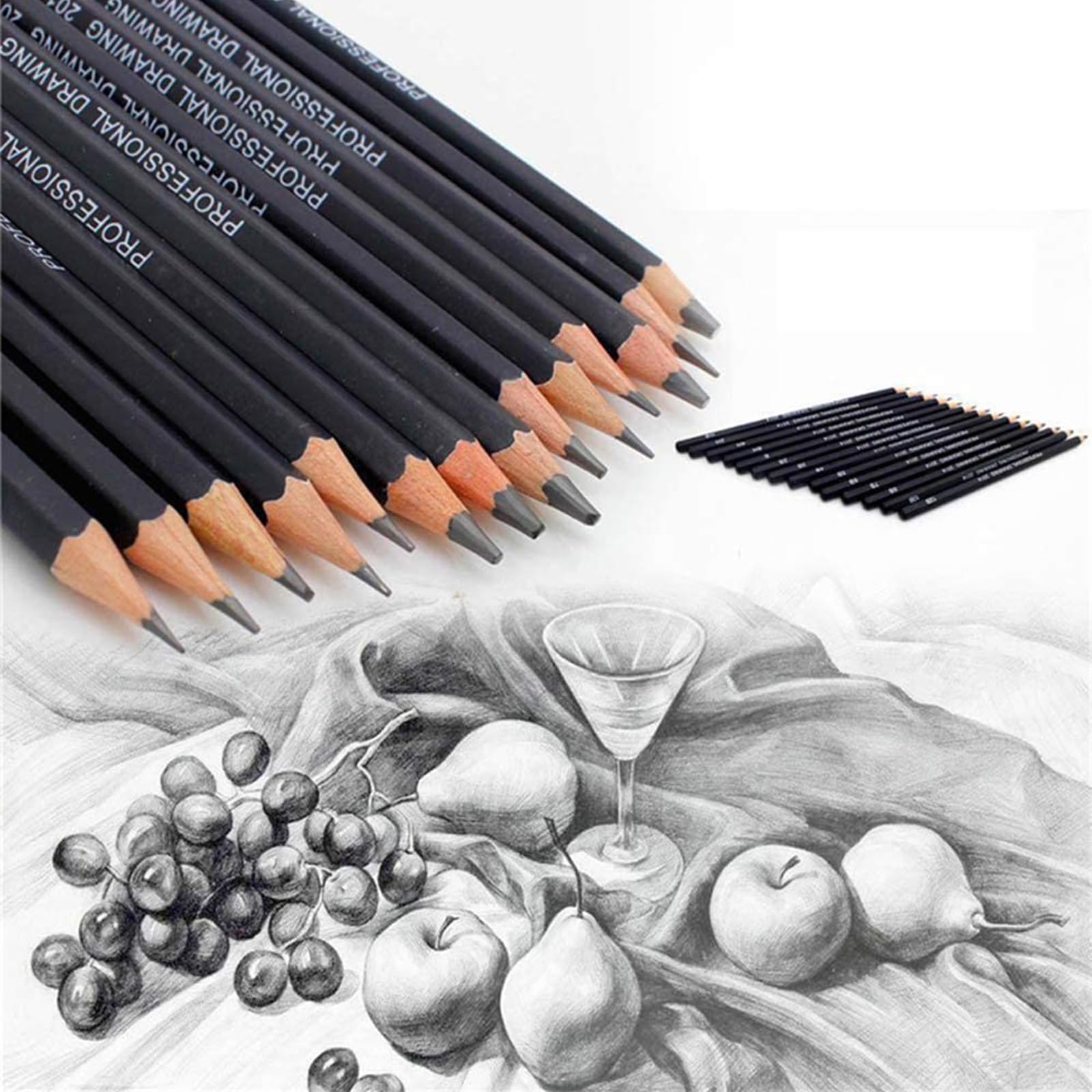
The Versatile World of Art Pencils
Art pencils are more than just tools for drawing and sketching; they are instruments that allow artists to bring their imagination to life on paper. From beginners to seasoned professionals, art pencils play a crucial role in the creative process, offering a wide range of possibilities for artistic expression.
The Different Types of Art Pencils
Art pencils come in various types, each serving a specific purpose:
- Graphite Pencils: These are the most common type of art pencil used for drawing and shading. They come in different grades ranging from 9H (hardest) to 9B (softest).
- Charcoal Pencils: Ideal for creating bold and expressive drawings, charcoal pencils provide rich, dark marks that can easily be blended.
- Coloured Pencils: Perfect for adding vibrant hues to illustrations and artworks, coloured pencils offer a wide spectrum of colours and are versatile for various techniques.
- Watercolour Pencils: These unique pencils can be used dry like regular coloured pencils or wet with water to create beautiful watercolour effects.
- Mechanical Pencils: Known for their precision and consistent line width, mechanical pencils are favoured by artists who require fine details in their work.
Tips for Using Art Pencils Effectively
To make the most of your art pencils, consider the following tips:
- Experiment with Different Grades: Try using a range of graphite pencil grades to achieve varying levels of darkness and texture in your drawings.
- Layering Techniques: Build up layers of colour with coloured pencils or blend different shades together to create depth and dimension.
- Explore Mixed Media: Combine different types of art pencils with other mediums like ink, markers, or pastels to add complexity and interest to your artwork.
- Practice Regularly: The more you use your art pencils, the better you will become at controlling line weight, shading, and blending techniques.
In conclusion, art pencils are essential tools that open up a world of creative possibilities for artists across all skill levels. Whether you prefer the precision of graphite or the vibrancy of coloured pencils, there is a pencil type suited to your artistic vision. Embrace the versatility of art pencils and let your imagination soar on paper!
Mastering Art Pencils: 9 Essential Tips for Artists
- Choose the right hardness of pencil for your artwork, ranging from soft (e.g. 6B) to hard (e.g. 6H).
- Experiment with different types of art pencils such as graphite, charcoal, and coloured pencils to discover your preferred medium.
- Keep your pencils sharp using a quality sharpener or sandpaper block for fine detail work.
- Use a blending stump or tortillon to create smooth gradients and shading effects with your pencils.
- Protect your pencil tips by storing them in a case or container when not in use.
- Consider investing in high-quality artist-grade pencils for better pigment intensity and lightfastness.
- Practice different shading techniques like hatching, cross-hatching, and stippling to add depth and texture to your drawings.
- Use fixative spray to set your pencil drawings and prevent smudging.
- Experiment with different paper textures and weights to see how they interact with your chosen art pencils.
Choose the right hardness of pencil for your artwork, ranging from soft (e.g. 6B) to hard (e.g. 6H).
When creating artwork, selecting the appropriate hardness of pencil is crucial for achieving desired effects. From soft pencils like 6B that produce rich, dark tones to hard pencils such as 6H that offer fine, light lines, the choice of pencil grade significantly influences the texture and shading in your drawings. By understanding the characteristics of different pencil hardness levels and experimenting with them, artists can control the depth and detail of their artwork with precision and finesse.
Experiment with different types of art pencils such as graphite, charcoal, and coloured pencils to discover your preferred medium.
To enhance your artistic journey, it is beneficial to experiment with a variety of art pencils, including graphite, charcoal, and coloured pencils. By exploring different mediums, you can uncover the unique qualities and effects each type offers, ultimately helping you identify your preferred medium for creative expression. Graphite pencils provide precise lines and shading options, charcoal pencils offer bold and expressive marks, while coloured pencils bring a spectrum of vibrant hues to your artwork. Embracing this diversity in art pencils allows you to find the perfect match that resonates with your artistic style and vision.
Keep your pencils sharp using a quality sharpener or sandpaper block for fine detail work.
To ensure precision and fine detail in your artwork, it is essential to keep your art pencils sharp. Using a quality sharpener or a sandpaper block specifically designed for art pencils can help maintain a sharp point, allowing you to achieve intricate lines and delicate shading with ease. By keeping your pencils sharp, you enhance control over your work and elevate the overall quality of your artistic creations.
Use a blending stump or tortillon to create smooth gradients and shading effects with your pencils.
To enhance the quality of your artwork, consider utilising a blending stump or tortillon when using art pencils. These tools enable you to achieve seamless gradients and subtle shading effects by blending and smoothing out pencil strokes. By incorporating a blending stump or tortillon into your technique, you can elevate the depth and dimension of your drawings, resulting in a more polished and professional finish.
Protect your pencil tips by storing them in a case or container when not in use.
To preserve the quality and sharpness of your art pencils, it is advisable to safeguard their tips by storing them in a case or container when they are not in use. This simple practice not only prevents accidental breakage or dulling of the pencil points but also ensures that your pencils are ready for use whenever inspiration strikes. By protecting your pencil tips, you can maintain their precision and longevity, allowing you to create detailed and refined artwork with ease.
Consider investing in high-quality artist-grade pencils for better pigment intensity and lightfastness.
When exploring the world of art pencils, it is advisable to consider investing in high-quality artist-grade pencils. These premium pencils offer superior pigment intensity and lightfastness, ensuring that your artwork maintains its vibrancy and quality over time. By opting for artist-grade pencils, artists can achieve richer colours, smoother application, and enhanced durability, elevating the overall impact of their creations. Investing in quality art pencils is a worthwhile decision for those seeking to enhance their artistic expression and produce lasting works of art.
Practice different shading techniques like hatching, cross-hatching, and stippling to add depth and texture to your drawings.
To enhance the depth and texture of your drawings, it is beneficial to practice various shading techniques such as hatching, cross-hatching, and stippling. Hatching involves creating parallel lines to build up tone and form, while cross-hatching adds complexity by layering intersecting lines. Stippling, on the other hand, uses dots to create shading effects. By mastering these techniques with different art pencils, artists can imbue their creations with dimension and visual interest, elevating the overall quality of their work.
Use fixative spray to set your pencil drawings and prevent smudging.
When creating pencil drawings, a useful tip is to use fixative spray to set your artwork and prevent smudging. Fixative spray forms a protective layer over the pencil marks, ensuring that your drawing remains intact and preserves its original appearance over time. By applying fixative spray to your pencil drawings, you can enhance their longevity and prevent accidental smudges, allowing you to showcase your artwork without worrying about it getting damaged.
Experiment with different paper textures and weights to see how they interact with your chosen art pencils.
Experimenting with different paper textures and weights can significantly impact the way your chosen art pencils interact with the surface. The texture of the paper can affect how the pencil marks appear, from smooth and precise lines on a fine-grain paper to more textured and expressive strokes on a rougher surface. Similarly, the weight of the paper influences how much pressure you can apply without causing indentations or tearing. By exploring a variety of paper options, artists can discover new dimensions to their artwork and enhance the overall visual impact of their creations.