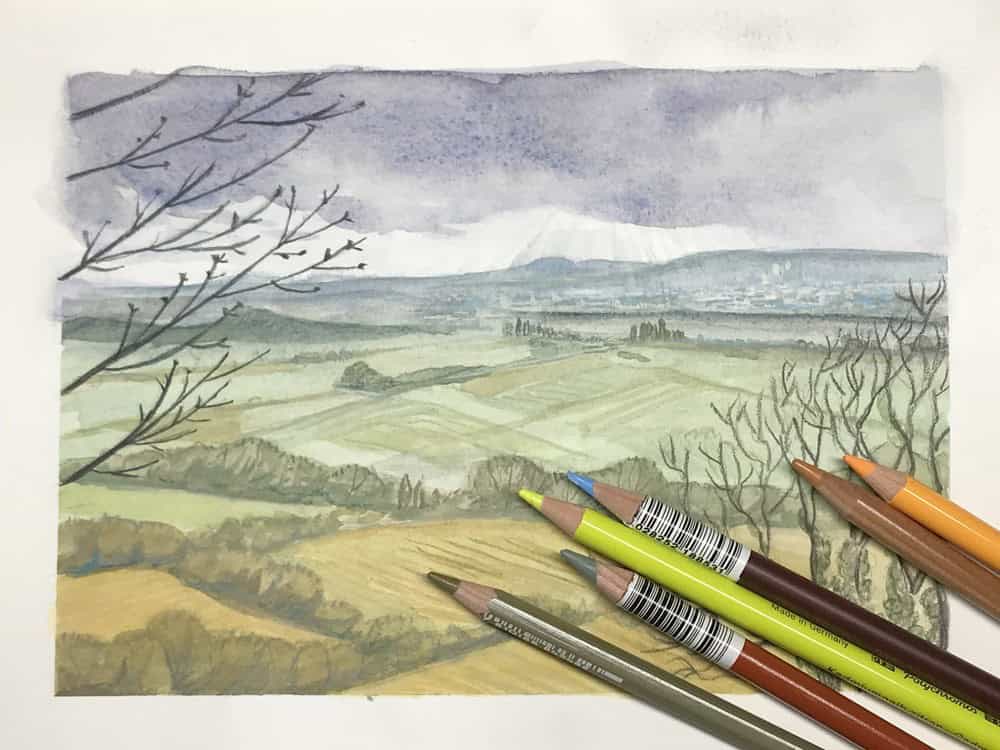
The Beauty of Colour Pencil Drawing
Colour pencil drawing is a timeless art form that allows artists to create stunning and vibrant pieces using a simple tool – the humble colour pencil. While often associated with childhood doodles, colour pencil drawing has evolved into a sophisticated medium embraced by artists of all levels.
One of the most appealing aspects of colour pencil drawing is its versatility. Artists can achieve a wide range of effects, from delicate and subtle shading to bold and intense colours, simply by varying pressure and layering colours. This flexibility makes colour pencils ideal for creating intricate details and capturing the nuances of light and shadow.
Unlike other mediums, such as paint or pastels, colour pencils offer precise control over each stroke, allowing artists to work with precision and accuracy. This level of control makes colour pencil drawing suitable for both intricate, realistic illustrations and expressive, abstract compositions.
Another advantage of colour pencil drawing is its portability and convenience. With just a set of colour pencils and paper, artists can create beautiful artworks anywhere, whether at home, outdoors, or while travelling. This accessibility makes colour pencil drawing a popular choice for artists looking for a convenient way to express their creativity.
Furthermore, colour pencil drawings are known for their longevity and durability. When properly preserved and protected, artworks created with colour pencils can retain their vibrancy and beauty for years to come. This makes them not only visually appealing but also a lasting investment in artistic expression.
Whether you are a seasoned artist or just starting your creative journey, exploring the world of colour pencil drawing can be a rewarding experience. With its versatility, precision, portability, and longevity, colour pencil drawing offers endless possibilities for artistic expression and creativity.
7 Essential Tips for Mastering Colour Pencil Drawing
- Use good quality colour pencils for better results.
- Start with light colours and gradually build up to darker shades.
- Practice blending colours together for a smooth transition.
- Experiment with different techniques like hatching, cross-hatching, and stippling.
- Consider the pressure you apply to create varying intensities of colour.
- Use a variety of strokes to add texture and depth to your drawings.
- Don’t be afraid to mix and layer colours to achieve unique effects.
Use good quality colour pencils for better results.
When delving into the art of colour pencil drawing, one essential tip to keep in mind is the importance of using good quality colour pencils for achieving superior results. High-quality colour pencils offer a smoother application, vibrant pigments, and better blending capabilities, allowing artists to create rich and nuanced artworks with greater ease. Investing in good quality colour pencils not only enhances the overall look of your drawings but also provides a more satisfying drawing experience, enabling you to unleash your creativity with confidence and precision.
Start with light colours and gradually build up to darker shades.
When embarking on a colour pencil drawing, it is advisable to begin with lighter colours and gradually layer and build up to darker shades. This technique allows for better control over the intensity of the colours and helps in achieving smooth transitions and depth in the artwork. By starting light, artists can establish a foundation for their piece and incrementally add complexity and richness to their composition, resulting in a more visually dynamic and cohesive final product.
Practice blending colours together for a smooth transition.
To enhance your colour pencil drawing skills, focus on practising blending colours together to achieve a seamless transition between different shades. By mastering the technique of blending, you can create a smooth and gradual shift from one colour to another, adding depth and dimension to your artwork. Experiment with layering colours and adjusting pressure to achieve the desired effect, allowing you to create rich and nuanced compositions that capture the eye and evoke emotion.
Experiment with different techniques like hatching, cross-hatching, and stippling.
To enhance your colour pencil drawing skills, it is beneficial to experiment with various techniques such as hatching, cross-hatching, and stippling. These techniques involve different ways of applying and layering colours to create unique textures and shading effects in your artwork. Hatching uses parallel lines to build up tones and add depth, while cross-hatching involves intersecting lines to achieve a more complex shading pattern. Stippling, on the other hand, utilizes dots or small marks to create a stippled texture that can add dimension and interest to your drawings. By exploring these techniques, you can expand your artistic repertoire and elevate the visual impact of your colour pencil artworks.
Consider the pressure you apply to create varying intensities of colour.
When engaging in colour pencil drawing, it is essential to consider the pressure you apply to the pencil as it directly influences the intensity and depth of colour on your artwork. By adjusting the pressure exerted on the pencil, artists can create a spectrum of shades ranging from light and subtle to rich and bold. This technique allows for precise control over the tonal values within the drawing, enabling artists to convey depth, texture, and dimension effectively. Mastering the art of varying pressure in colour pencil drawing can elevate your work to new levels of vibrancy and visual impact.
Use a variety of strokes to add texture and depth to your drawings.
To enhance the texture and depth of your colour pencil drawings, it is essential to utilise a diverse range of strokes. By incorporating various stroke techniques such as hatching, cross-hatching, stippling, and blending, you can create visual interest and dimension within your artwork. Experimenting with different stroke styles allows you to mimic textures like fur, wood grain, or fabric, adding a tactile quality to your drawings. This approach not only enriches the overall composition but also showcases the versatility and expressive potential of colour pencil as a medium.
Don’t be afraid to mix and layer colours to achieve unique effects.
When engaging in colour pencil drawing, it is essential not to shy away from experimenting with mixing and layering colours to attain distinctive and captivating effects. By blending different hues and overlaying them on top of each other, artists can create depth, richness, and complexity in their artworks. Embracing this technique allows for the exploration of endless possibilities and the development of a unique artistic style that sets one’s creations apart. So, don’t hesitate to blend and layer colours boldly to unlock the full potential of colour pencil drawing and unleash your creativity.