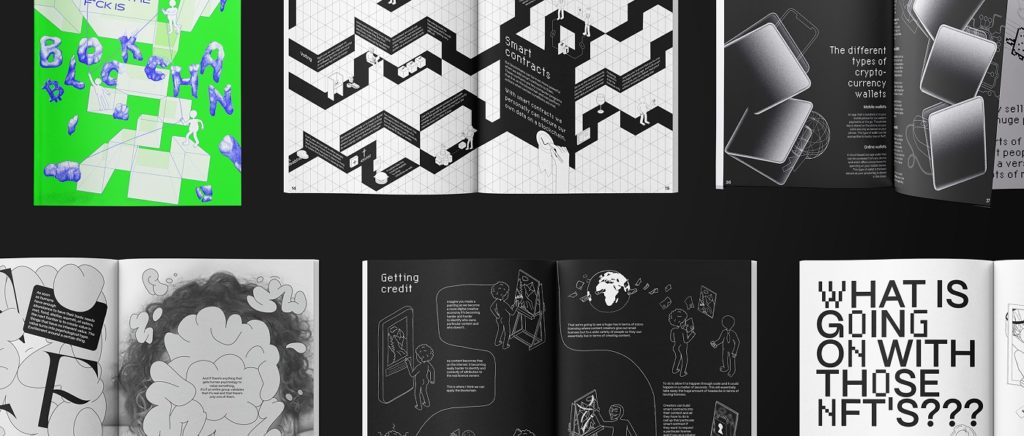
The Power of Graphic Communication
Graphic communication is a dynamic and versatile form of visual expression that plays a crucial role in conveying messages, ideas, and emotions to a diverse audience. Through the strategic use of images, typography, colours, and layout, graphic designers have the ability to captivate viewers and communicate complex concepts in a clear and engaging manner.
One of the key strengths of graphic communication lies in its ability to transcend language barriers. Visual elements have the power to convey universal meanings that can be understood by people from different cultural backgrounds. This makes graphic design an invaluable tool for global communication and cross-cultural understanding.
In addition to its universal appeal, graphic communication is also highly effective in capturing attention and creating memorable experiences. Whether it’s through a striking logo, an eye-catching poster, or an informative infographic, well-executed graphic design has the potential to leave a lasting impression on its audience.
Furthermore, graphic communication plays a vital role in shaping brand identity and influencing consumer behaviour. A carefully crafted visual identity can differentiate a brand from its competitors, establish credibility and trust with consumers, and ultimately drive engagement and sales.
With the rise of digital media and social platforms, the demand for skilled graphic communicators has never been higher. From web design to social media marketing, businesses across industries rely on talented designers to create visually compelling content that resonates with their target audience.
Ultimately, graphic communication is not just about creating visually appealing designs; it’s about telling stories, evoking emotions, and sparking conversations. By harnessing the power of visual language, graphic designers have the opportunity to make a meaningful impact on society and shape the way we perceive and interact with the world around us.
Top 5 Tips for Effective Graphic Communication Design
- Use a clear and concise design to convey your message effectively.
- Choose appropriate colours and fonts that enhance readability and visual appeal.
- Ensure consistency in branding elements such as logos, colours, and typography.
- Incorporate visual hierarchy to guide the viewer’s attention to key information.
- Utilise white space strategically to prevent clutter and improve overall layout.
Use a clear and concise design to convey your message effectively.
When utilising graphic communication, it is essential to employ a clear and concise design to effectively convey your message. By simplifying visual elements and streamlining information, you can ensure that your audience easily understands and retains the intended message. A clutter-free design not only enhances readability but also captures attention more efficiently, making your communication more impactful and memorable.
Choose appropriate colours and fonts that enhance readability and visual appeal.
When engaging in graphic communication, it is essential to select suitable colours and fonts that not only improve readability but also enhance the overall visual appeal of the design. By choosing a harmonious colour palette and legible fonts, designers can ensure that the message is conveyed clearly and effectively to the audience. The right combination of colours and fonts can elevate the design, making it more engaging and memorable for viewers while creating a cohesive and visually pleasing experience.
Ensure consistency in branding elements such as logos, colours, and typography.
To maximise the effectiveness of graphic communication, it is essential to maintain consistency in branding elements like logos, colours, and typography. By ensuring that these visual components remain uniform across various platforms and materials, a sense of cohesion and professionalism is established. Consistency reinforces brand recognition, builds trust with the audience, and enhances the overall visual identity of a company or organisation. This harmonious integration of branding elements not only strengthens brand recall but also conveys a coherent and polished image that resonates with viewers.
Incorporate visual hierarchy to guide the viewer’s attention to key information.
Incorporating visual hierarchy is a fundamental tip in graphic communication that enables designers to effectively guide the viewer’s attention towards key information. By strategically arranging elements such as size, colour, contrast, and placement, designers can create a clear hierarchy of importance within a design layout. This not only helps to direct the viewer’s focus to essential details but also enhances readability and comprehension, ensuring that the message is conveyed with maximum impact and clarity.
Utilise white space strategically to prevent clutter and improve overall layout.
Utilising white space strategically in graphic communication is a fundamental tip that can significantly enhance the overall layout of a design. By allowing for adequate breathing room between elements, text, and images, designers can prevent clutter and create a sense of balance and harmony in their compositions. White space not only improves readability and visual clarity but also guides the viewer’s eye towards key information, enhancing the overall impact and effectiveness of the design. Mastering the art of incorporating white space can elevate the aesthetic appeal and communicative power of any graphic communication piece.