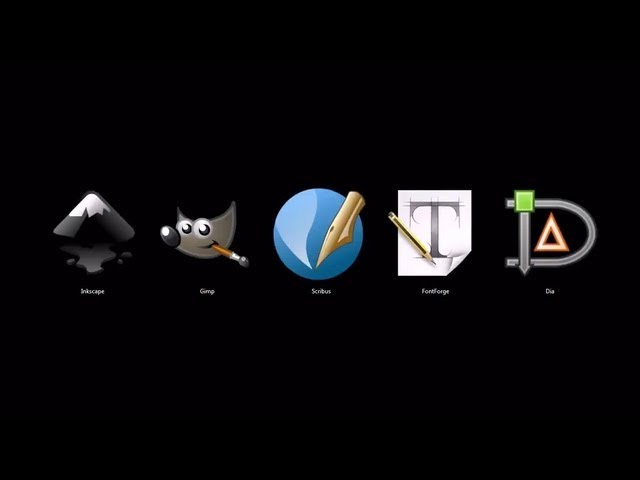
The World of Graphics and Design Programs
Graphics and design programs have revolutionised the way we create visual content, enabling designers to bring their ideas to life with precision and creativity. From graphic design to digital art, these programs provide a versatile toolkit for professionals and enthusiasts alike.
Types of Graphics and Design Programs
There are various types of graphics and design programs tailored to different needs:
- Graphic Design Software: Tools like Adobe Photoshop, Illustrator, and InDesign are industry standards for creating logos, illustrations, layouts, and more.
- 3D Modelling Software: Programs such as Autodesk Maya, Blender, and Cinema 4D allow designers to create three-dimensional models for animations, games, and visual effects.
- Web Design Software: Platforms like Adobe Dreamweaver, Sketch, and Figma help designers build websites with responsive layouts and interactive elements.
- Photo Editing Software: Applications like Adobe Lightroom and GIMP provide advanced editing tools for enhancing photos and correcting imperfections.
- Illustration Software: Tools such as Procreate, CorelDRAW, and Affinity Designer cater to illustrators looking to create digital artwork with precision.
The Impact of Graphics and Design Programs
The accessibility of graphics and design programs has democratised the creative process, allowing individuals from diverse backgrounds to express themselves visually. These programs have also facilitated collaborations across borders by enabling remote teamwork on projects in real-time.
Trends in Graphics and Design
The field of graphics and design is constantly evolving with new trends emerging each year. Some current trends include minimalist design aesthetics, augmented reality integration in graphic projects, the use of bold colours and gradients, as well as sustainable design practices that prioritise eco-friendly materials.
In Conclusion
Graphics and design programs continue to shape the way we communicate ideas visually. Whether you are a professional designer or an aspiring artist, exploring the diverse range of programs available can open up new creative possibilities. Embrace the power of technology in your creative journey!
Mastering Graphics and Design: 8 Essential Tips for Enhanced Creativity and Efficiency
- Use layers to organise and edit elements separately.
- Learn keyboard shortcuts to work more efficiently.
- Utilise grids and guides for better alignment and spacing.
- Experiment with different fonts and typography styles.
- Save your work regularly to prevent data loss.
- Keep a consistent colour palette for a cohesive design.
- Pay attention to details like contrast, white space, and proportions.
- Seek inspiration from other designs but strive for originality.
Use layers to organise and edit elements separately.
When working with graphics and design programs, a valuable tip is to utilise layers to effectively organise and edit elements individually. By structuring your design elements on separate layers, you can easily manipulate and adjust specific parts of your composition without affecting the rest. This method not only streamlines the editing process but also provides greater control over the visual hierarchy and overall aesthetic of your project. Embracing the use of layers enhances efficiency and precision in your design workflow, allowing for seamless adjustments and creative exploration.
Learn keyboard shortcuts to work more efficiently.
To enhance your efficiency when working with graphics and design programs, it is highly beneficial to learn and utilise keyboard shortcuts. Mastering these shortcuts can significantly speed up your workflow, allowing you to execute commands and actions swiftly without the need to navigate through menus or toolbar options. By incorporating keyboard shortcuts into your design process, you can streamline tasks, increase productivity, and focus more on the creative aspects of your work. Take the time to familiarise yourself with these time-saving shortcuts to optimise your efficiency and effectiveness in using graphics and design programs.
Utilise grids and guides for better alignment and spacing.
To enhance the visual appeal and professionalism of your designs, it is recommended to utilise grids and guides for precise alignment and spacing. By incorporating grids and guides into your workflow, you can ensure that elements within your design are harmoniously arranged, resulting in a more polished and cohesive final product. Consistent alignment and spacing not only improve the overall aesthetic of your work but also contribute to better readability and user experience. Embrace the structure that grids and guides provide to elevate the quality of your graphic creations.
Experiment with different fonts and typography styles.
To enhance your design projects, consider experimenting with a variety of fonts and typography styles. Fonts play a crucial role in conveying the tone and personality of your content, while typography styles can add visual interest and hierarchy to your layout. By exploring different combinations and arrangements of fonts, you can create unique and impactful designs that effectively communicate your message to your audience. Don’t be afraid to step out of your comfort zone and play around with typography to discover new ways to elevate your graphic creations.
Save your work regularly to prevent data loss.
It is crucial to save your work regularly when working with graphics and design programs to prevent potential data loss. By frequently saving your projects, you can safeguard your hard work and creative efforts from unexpected software crashes or system failures. This simple habit not only ensures the security of your files but also gives you peace of mind, allowing you to focus on your design process without the fear of losing progress. Remember, a few seconds spent on saving can save you hours of frustration in the long run.
Keep a consistent colour palette for a cohesive design.
Maintaining a consistent colour palette is a crucial tip when working with graphics and design programs as it helps to create a harmonious and unified visual identity. By sticking to a cohesive set of colours throughout your design, you can establish a sense of balance, professionalism, and aesthetic appeal. Consistency in colour choices enhances brand recognition, improves readability, and ensures that all elements within the design work together seamlessly. Whether you are designing a logo, website, or marketing materials, adhering to a consistent colour palette can elevate the overall impact of your work and leave a lasting impression on your audience.
Pay attention to details like contrast, white space, and proportions.
When working with graphics and design programs, it is crucial to pay attention to details such as contrast, white space, and proportions. These elements play a significant role in the overall composition of your design, influencing its visual impact and readability. By carefully considering contrast to make important elements stand out, utilising white space to create a sense of balance and breathing room, and maintaining proper proportions for harmonious layouts, you can elevate the quality of your designs and ensure they effectively communicate your intended message.
Seek inspiration from other designs but strive for originality.
When delving into the realm of graphics and design programs, it is valuable to seek inspiration from existing designs to understand trends and techniques. However, the true essence of creativity lies in striving for originality. By infusing your unique perspective and innovative ideas into your work, you can create designs that stand out and leave a lasting impact. Embrace inspiration as a guiding force but always aim to carve your path towards creating truly distinctive and authentic visual content.