The Evolution of Graphics and Design Software
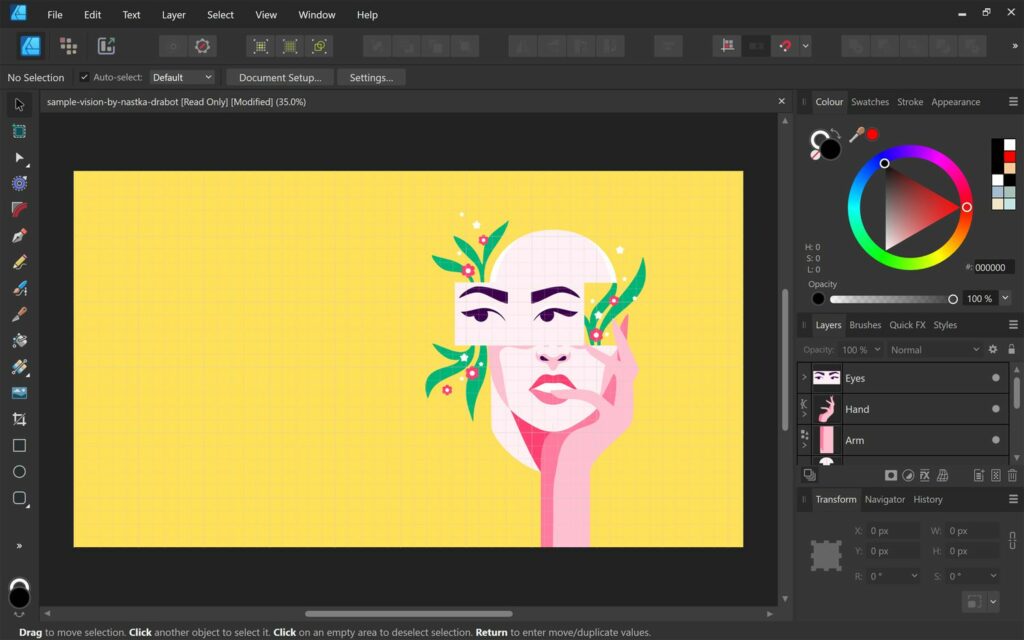
Graphics and design software have revolutionised the way we create visual content, allowing artists, designers, and creators to bring their ideas to life with precision and creativity. Over the years, these tools have evolved significantly, offering a wide range of features and capabilities that cater to various design needs.
Early Days of Graphics Software
In the early days of computing, graphics software was limited in functionality and accessibility. Basic paint programs allowed users to create simple drawings and designs using a limited colour palette and tools. As technology advanced, so did the capabilities of graphic design software.
The Rise of Industry Standard Tools
With the emergence of industry-standard tools such as Adobe Photoshop, Illustrator, and InDesign, designers gained access to powerful features for photo editing, vector graphics creation, and layout design. These tools became essential for professionals in the field, setting a high standard for quality and innovation.
Specialised Software for Different Needs
As the demand for specialised design solutions grew, software developers began creating tools tailored to specific design disciplines. From 3D modelling software like Autodesk Maya to video editing programs like Adobe Premiere Pro, designers now have a vast array of options to choose from based on their unique requirements.
The Future of Graphics Software
Looking ahead, the future of graphics and design software is filled with exciting possibilities. Artificial intelligence is being integrated into design tools to automate repetitive tasks and enhance creative workflows. Virtual reality and augmented reality technologies are also influencing how designers interact with their creations.
Whether you are a seasoned professional or an aspiring designer, staying up-to-date with the latest trends in graphics software is essential for remaining competitive in the ever-evolving design industry. With continuous innovation driving the development of new tools and features, the potential for creativity in graphic design knows no bounds.
Mastering Design Software: Six Essential Tips for Creating Stunning Graphics
- Use gridlines to align elements for a clean layout.
- Choose a colour scheme that complements your design and conveys the right mood.
- Utilise layers to easily manage and edit different parts of your design.
- Experiment with different fonts to find one that enhances readability and visual appeal.
- Save your work regularly to prevent losing progress due to unexpected software crashes.
- Seek inspiration from other designs but strive to create something unique and original.
Use gridlines to align elements for a clean layout.
When working with graphics and design software, a valuable tip to enhance the visual appeal of your creations is to utilise gridlines for aligning elements. Gridlines provide a structured framework that helps maintain consistency and precision in the placement of design elements, resulting in a clean and polished layout. By aligning elements to the grid, designers can achieve a harmonious composition that enhances readability and visual impact. This simple yet effective technique ensures that every element aligns seamlessly, creating a professional and visually appealing design.
Choose a colour scheme that complements your design and conveys the right mood.
When working with graphics and design software, it is crucial to select a colour scheme that not only enhances your design but also effectively communicates the desired mood or message. Choosing colours that complement each other harmoniously can significantly impact the overall aesthetic appeal of your project. Whether aiming for a vibrant and energetic look or a calm and sophisticated feel, the right colour palette can evoke specific emotions and create a cohesive visual experience for your audience.
Utilise layers to easily manage and edit different parts of your design.
When working with graphics and design software, a valuable tip is to utilise layers effectively. By organising your design elements into separate layers, you can easily manage and edit different parts of your project without affecting the rest of the composition. Layers provide a structured approach to design, allowing you to make adjustments, add or remove elements, and experiment with various effects with ease. This method not only enhances your workflow efficiency but also gives you greater control over the visual hierarchy of your designs.
Experiment with different fonts to find one that enhances readability and visual appeal.
When working with graphics and design software, it is essential to experiment with various fonts to discover one that not only enhances readability but also adds visual appeal to your project. Choosing the right font can significantly impact how your content is perceived by the audience, influencing their engagement and understanding of the message you are trying to convey. By exploring different font options and considering factors such as style, size, and spacing, you can find a perfect match that elevates the overall design aesthetic while ensuring clarity and readability.
Save your work regularly to prevent losing progress due to unexpected software crashes.
It is crucial to save your work regularly when using graphics and design software to avoid losing progress in case of unexpected software crashes. By saving your work frequently, you can safeguard your designs and projects from potential disruptions and ensure that your hard work is preserved. This simple yet essential tip can help you maintain productivity and peace of mind while working on creative endeavours with graphic design software.
Seek inspiration from other designs but strive to create something unique and original.
Seeking inspiration from other designs is a valuable practice in the world of graphics and design software. It allows designers to explore different styles, techniques, and trends that can spark creativity and inform their own work. However, the true essence of design lies in the ability to transform these influences into something unique and original. By infusing personal flair, innovation, and a fresh perspective into their creations, designers can set themselves apart and leave a lasting impact on their audience. Embracing inspiration while striving for originality is key to producing designs that resonate and stand out in a competitive landscape.