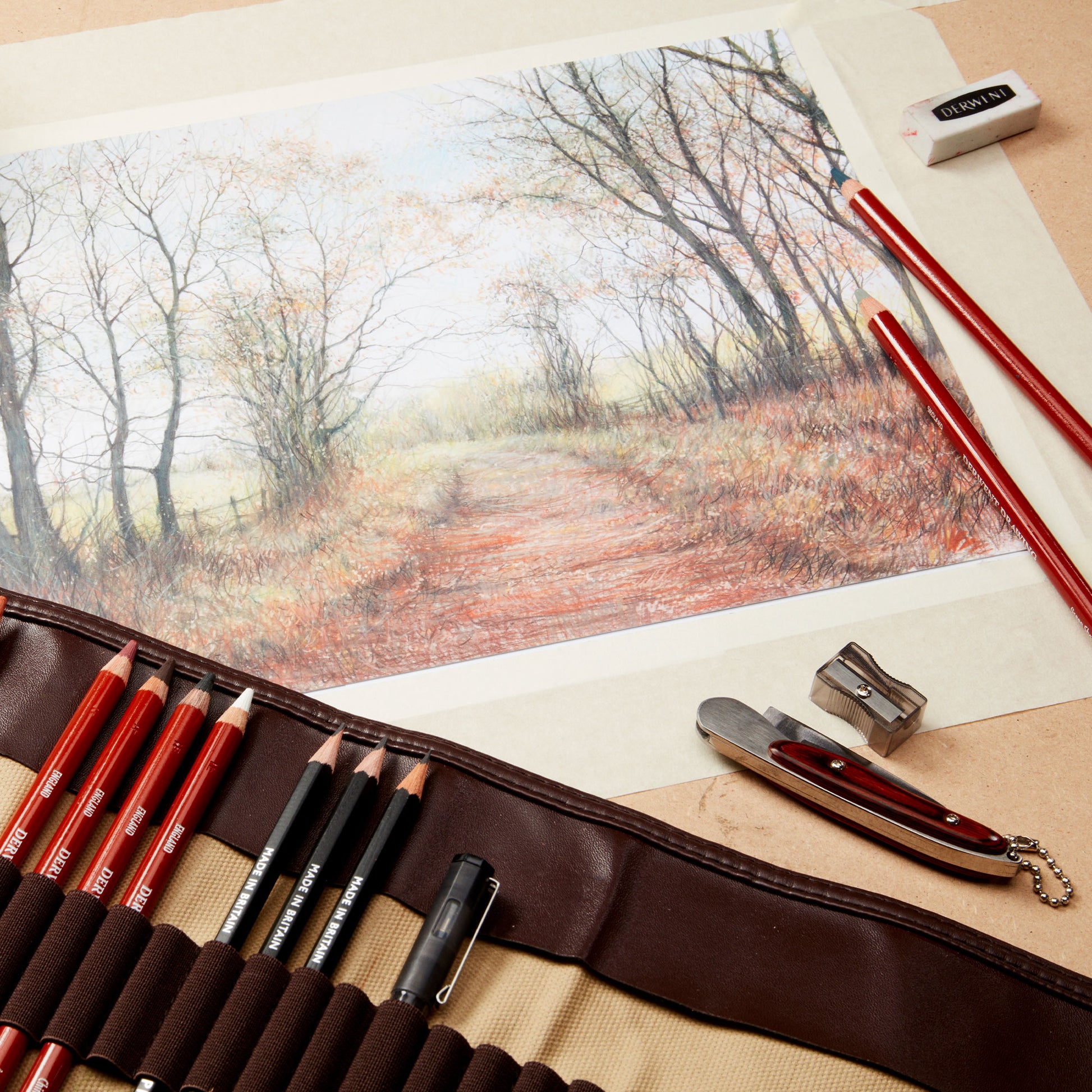
Choosing and Using a Drawing Pencil Set
A drawing pencil set is a useful starting point for anyone interested in sketching, illustration or technical drawing. Sets typically include pencils in a range of grades, allowing artists to create everything from pale construction lines to deep, rich shadows. Whether you are new to drawing or building up an established collection, understanding what the pencils do can help you get more from them.
What do the pencil grades mean?
Graphite pencils are graded according to the hardness of their cores. The letter H indicates a harder pencil, which usually makes a lighter, finer mark. The letter B indicates a softer pencil, which makes a darker mark and is easier to blend. HB sits around the middle of the scale.
A set might range from hard pencils such as 2H or 4H to soft grades such as 2B, 4B, 6B or 8B. The exact range varies between sets. Hard pencils can be useful for precise details and light guidelines, while softer pencils are well suited to shading and expressive, dark marks.
How to choose a set
Before buying, consider what you would like to draw. A beginner may find a modest selection of grades easier to manage than a large professional set. A range that includes HB, 2B, 4B and 6B offers a practical introduction to different tones. If you work on detailed studies, harder grades may also be useful; for bold, loose sketches, a wider choice of softer pencils could be preferable.
Look at what else is included. Some sets come with a sharpener, eraser, blending stump or sketching paper. These accessories can be convenient, although the quality and usefulness of each item may vary. A comfortable pencil shape and a secure case can also make a difference if you plan to draw away from home.
Getting started with your pencils
Try each grade on a spare sheet of paper before beginning a drawing. Make light and dark strokes, then create a small tonal scale by gradually increasing the pressure. This shows how much range each pencil can produce and helps you choose the right grade for different parts of your subject.
For an even tone, build up shading in several light layers rather than pressing hard straight away. Use the side of the lead for broad areas and the point for lines or small details. Keep construction marks faint, particularly if you intend to add darker tones later. An eraser can lift graphite to create highlights, but it is usually easier to preserve the lightest areas from the start.
Paper and sharpening
Paper affects the appearance of graphite. Smooth paper is often suitable for fine detail, while paper with more texture can catch the graphite and create a softer, grainier effect. If possible, test your pencils on the paper you intend to use before starting a finished piece.
A sharp point is helpful for controlled lines, but very soft pencils can break if they are sharpened too aggressively. Use a sharpener with a clean blade, or carefully sharpen the wood with a craft knife under appropriate supervision. Avoid dropping pencils, as impacts can fracture the graphite inside even when the outer casing looks intact.
Looking after a drawing pencil set
Store pencils in a case or pencil roll to protect their tips and keep the grades organised. Labelled slots make it easier to find the right pencil quickly. Keep the set dry and wipe away graphite dust from the case now and then to prevent it marking other materials.
A versatile tool for developing your skills
A drawing pencil set does not need to be complicated to be effective. A few well-chosen grades, suitable paper and regular practice provide everything needed to explore line, tone, texture and form. As your technique develops, you can decide which grades and accessories best suit your way of working.
7 Essential Tips for Choosing and Using a Pencil Drawing Set
- Choose a set with a range of grades, from hard H to soft B.
- Use H pencils for light guidelines and fine details.
- Pick B pencils for darker shading and expressive marks.
- Keep pencils sharp for precise lines and textured strokes.
- Test each grade on scrap paper before starting.
- Store pencils in a case to protect their leads.
- Blend graphite gently with a paper stump or tissue.
Choose a set with a range of grades, from hard H to soft B.
Choose a drawing pencil set with a range of grades, from hard H pencils to soft B pencils, so you can create a variety of lines and tones. Harder grades make lighter, finer marks and are useful for outlines and details, while softer grades produce darker strokes that work well for shading. Having several grades to hand gives you greater control and flexibility as you draw.
Use H pencils for light guidelines and fine details.
Use H pencils for light guidelines and fine details. Their harder graphite produces pale, precise marks that are easy to control and less likely to smudge, making them ideal for planning a drawing or adding delicate details. Apply gentle pressure, as pressing too firmly can leave indentations in the paper that may show through later layers.
Pick B pencils for darker shading and expressive marks.
Choose B pencils when you want darker shading and more expressive marks. Their softer graphite creates deeper tones with less pressure than H pencils, making it easier to build shadows, add contrast and give a drawing a lively, textured quality. Start with a lighter touch and layer the graphite gradually to keep control over the result.
Keep pencils sharp for precise lines and textured strokes.
Keep your drawing pencils sharp to create clean, precise lines and capture small details. A fine point is also useful for building texture, from delicate hair and fabric to rough surfaces and cross-hatching. For broader, softer strokes, use the side of the lead or let the point become slightly blunt; switching between sharp and softer tips adds variety to your drawings.
Test each grade on scrap paper before starting.
Before starting your drawing, test each pencil grade on a scrap piece of paper. Try light and firm strokes to see how dark each pencil can go, and compare the marks side by side. This quick check helps you choose the right grade for outlines, details and shading, while avoiding unexpected marks on your finished work.
Store pencils in a case to protect their leads.
Store your drawing pencils in a case to protect their leads from knocks and breakage. Keeping them together also makes it easier to find the grade you need and helps prevent graphite from marking the rest of your bag.
Blend graphite gently with a paper stump or tissue.
Blend graphite gently with a paper stump or a piece of tissue to soften pencil marks and create smooth transitions between light and dark tones. Use light, controlled strokes and build up the effect gradually, as pressing too hard can smudge the drawing or flatten the paper’s texture. A paper stump is useful for more precise blending, while tissue works well for broader areas. Keep your blending tool clean to avoid transferring unwanted graphite.