The Essence of Experience Design
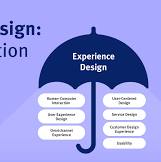
Experience design, often abbreviated as XD, is a multidisciplinary approach that focuses on creating meaningful and seamless experiences for users across various touchpoints. It encompasses a wide range of disciplines, including user experience (UX) design, interaction design, information architecture, and more.
Understanding Experience Design
At its core, experience design is about shaping the overall experience that users have when interacting with a product, service, or system. It goes beyond just the visual aesthetics and delves into how users feel, think, and behave throughout their journey.
The Key Principles
Experience design is guided by several key principles that help designers create engaging and user-centric experiences:
- User-Centred: Putting the needs and preferences of users at the forefront of the design process.
- Consistency: Ensuring a cohesive experience across all touchpoints to build trust and familiarity.
- Accessibility: Making sure that the experience is inclusive and usable by individuals of all abilities.
- Emotionally Resonant: Evoking positive emotions and creating memorable interactions that leave a lasting impact.
The Impact of Experience Design
In today’s digital age, where competition is fierce and attention spans are short, experience design plays a crucial role in differentiating brands and products. A well-crafted user experience can lead to increased customer satisfaction, loyalty, and ultimately drive business growth.
The Future of Experience Design
As technology continues to evolve rapidly, the field of experience design is also evolving to meet the changing needs and expectations of users. With advancements in artificial intelligence, virtual reality, and voice interfaces, designers have new opportunities to create immersive and personalised experiences like never before.
In conclusion, experience design is not just about creating visually appealing interfaces but about crafting holistic experiences that resonate with users on a deeper level. By prioritising user needs, emotions, and behaviours, designers can create experiences that are not only functional but also delightful and memorable.
Understanding Experience Design: Key Concepts and Roles Explored
- What are the 5 es of experience design?
- What do experiential designers do?
- What is the concept of experiential design?
- What does an experiential designer do?
- Is experience design the same as UX?
- What are the 5 elements of user experience design?
What are the 5 es of experience design?
In the realm of experience design, the concept of the “5 Es” serves as a guiding framework for designers to create impactful and memorable user experiences. The 5 Es – Entice, Enter, Engage, Exit, and Extend – outline the stages of a user’s journey and highlight key touchpoints where designers can craft meaningful interactions. By focusing on enticing users to explore a product or service, facilitating easy entry into the experience, engaging them through intuitive design and content, ensuring a smooth exit from the interaction, and extending the relationship beyond the initial encounter, designers can create cohesive and user-centric experiences that resonate with their audience.
What do experiential designers do?
Experiential designers are professionals who specialise in crafting immersive and engaging experiences for users across various platforms and environments. They go beyond traditional design practices to create interactive, sensory-rich experiences that evoke emotions, stimulate engagement, and leave a lasting impact on the audience. Experiential designers combine elements of storytelling, technology, psychology, and aesthetics to design cohesive and memorable experiences that resonate with users on a profound level. Their work often involves understanding user behaviours, creating meaningful interactions, and leveraging innovative technologies to transform spaces into dynamic and captivating environments that enhance the overall user experience.
What is the concept of experiential design?
Experiential design, also known as experience design, is a concept that focuses on crafting immersive and engaging experiences for users across various touchpoints. It goes beyond traditional design approaches by placing emphasis on creating meaningful interactions that evoke emotions, spark curiosity, and leave a lasting impact on users. Experiential design considers the entire journey of the user, from their initial encounter with a product or service to their ongoing engagement and beyond. By integrating elements of storytelling, sensory stimuli, and interactivity, experiential design aims to create experiences that are not only functional but also memorable and emotionally resonant.
What does an experiential designer do?
An experiential designer is responsible for conceptualising and creating immersive experiences that engage and captivate users across various platforms. They combine elements of storytelling, visual design, interaction design, and technology to craft environments or interfaces that evoke specific emotions and responses from users. Experiential designers focus on the overall user journey, ensuring that every touchpoint is carefully designed to deliver a cohesive and impactful experience. Whether working on physical installations, digital interfaces, or virtual environments, experiential designers aim to create memorable experiences that leave a lasting impression on users.
Is experience design the same as UX?
Experience design and user experience (UX) are closely related but not exactly the same. While UX design focuses on the overall experience a user has when interacting with a product or service, experience design takes a broader approach by considering the entire journey and all touchpoints that a user may encounter. Experience design encompasses various disciplines, including UX design, interaction design, information architecture, and more, to create meaningful and seamless experiences for users. In essence, UX is a part of experience design, with the latter encompassing a wider scope that goes beyond just the digital interface to consider the holistic experience across all aspects of user interaction.
What are the 5 elements of user experience design?
In the realm of user experience design, the concept of the 5 elements is a common query that often arises. These fundamental elements encompass usability, usefulness, desirability, accessibility, and credibility. Usability focuses on how easy and efficient it is for users to achieve their goals within a system. Usefulness pertains to the value and relevance that the product or service provides to users. Desirability involves creating an emotional connection and appeal to engage users. Accessibility ensures that the experience is inclusive and usable by individuals with diverse needs. Lastly, credibility establishes trust and reliability in the eyes of users, reinforcing their confidence in the product or service being offered. Understanding and integrating these 5 key elements are essential in crafting exceptional user experiences that resonate with audiences effectively.