The Development of Design
Design has always been part of how people make sense of the world. From the shape of a hand-crafted tool to the layout of a website, design combines purpose and appearance to meet human needs. Its development reflects changes in technology, society and culture, as well as evolving ideas about what makes something useful, beautiful and meaningful.
Early forms of design
Long before design became a recognised profession, people were designing objects, buildings and images. Tools were shaped to work effectively; homes were built to suit their surroundings; and patterns, symbols and illustrations were used to communicate ideas. These early forms of design were closely connected to daily life, local materials and practical skills.
As societies grew, design also became a way to express identity and status. Architecture, clothing, ceramics and decorative arts could signal a community’s beliefs, wealth or traditions. Although the word “designer” was not yet widely used in its modern sense, the process of planning and making was already central to human culture.
Design and industrialisation
The Industrial Revolution brought major changes to the way goods were made. Machines enabled products to be manufactured in larger quantities, while expanding transport networks helped them reach wider markets. This created new opportunities, but also raised questions about quality, appearance and the relationship between craft and mass production.
Designers began to play a more distinct role in shaping manufactured objects and printed materials. Movements such as Arts and Crafts responded to industrial production by valuing skilled workmanship and thoughtful materials. Later, modernist approaches embraced simplicity, clear structure and the idea that form should serve function. These ideas influenced everything from furniture and architecture to typography and product design.
The rise of graphic and visual communication
As printing techniques developed, posters, books, newspapers and advertisements became increasingly important parts of public life. Graphic design helped organise information and attract attention, using typography, illustration, colour and composition to communicate messages.
During the twentieth century, designers developed visual systems for businesses, public institutions and cultural organisations. Logos, packaging and advertising helped establish recognisable identities, while editorial design made publications easier and more engaging to read. Design became not only a way to solve practical problems, but also a powerful means of shaping how people interpret information.
The digital transformation
Computers and digital tools transformed the design process. Tasks that once required specialist equipment could be completed using software, and designers gained new ways to edit images, create layouts and test ideas. The internet then introduced interactive and screen-based design on a global scale.
Today, design is present in websites, apps, digital services, games and social media. It must account for different devices, screen sizes and user needs. Designers often work across disciplines, collaborating with developers, researchers, writers and strategists. The focus has also broadened from how a product looks to how it works and feels to use.
Design with people and the planet in mind
Contemporary design increasingly considers accessibility, inclusion and environmental impact. Accessible design aims to make products and information usable by people with a wide range of abilities. Inclusive design considers different experiences and perspectives throughout the design process, rather than treating them as an afterthought.
Sustainability is another important concern. Designers can influence the materials chosen for products, how long they last, whether they can be repaired and what happens when they are no longer needed. In digital design, attention to efficiency and responsible use of technology is also growing. These considerations show that good design is not only about appearance: it also involves responsibility for consequences.
What comes next?
New technologies, including artificial intelligence, augmented reality and advanced fabrication, are creating fresh possibilities for designers. They can help people explore ideas, personalise experiences and build prototypes more quickly. At the same time, they bring questions about authorship, privacy, bias and the role of human judgement.
The development of design is not a simple march towards newer tools or styles. It is an ongoing conversation between people, materials, technologies and the challenges of each era. While methods continue to change, the central purpose remains familiar: to understand needs, communicate ideas and create solutions that make life clearer, more useful and more meaningful.
Design Development in Construction: 7 Frequently Asked Questions
- What is design development in construction?
- What is an example of development design?
- What are the 7 steps in the design process?
- What are the steps of design development?
- What is 30%, 60%, 90% design?
- What is a developed design?
- What are the 5 importance of elements of design?
What is design development in construction?
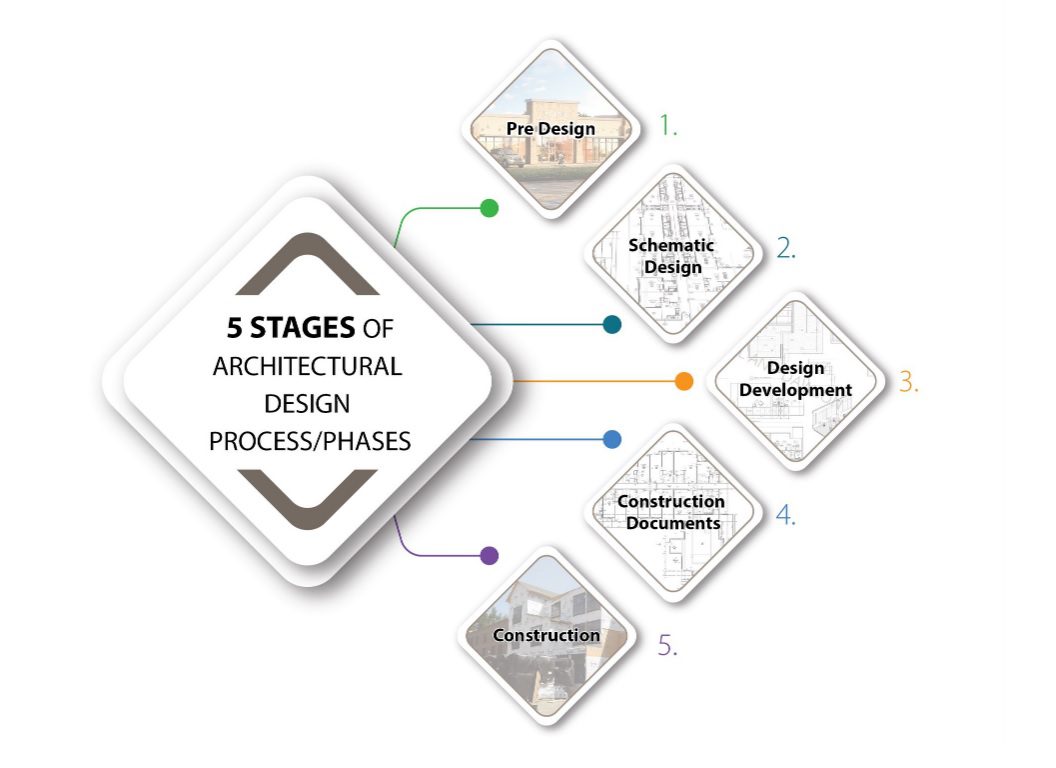
In construction, design development is the stage in which an agreed concept is refined into a coordinated, more detailed proposal. Architects and engineers develop the layouts, materials, building systems and key dimensions, while checking that the design meets the client’s requirements, relevant regulations and budget. The work typically produces more detailed drawings and specifications, helping the team assess costs, resolve conflicts between different systems and prepare for the next stages, such as technical design, approvals and construction.
What is an example of development design?
An example of development design is creating a mobile banking app. The process begins by researching users’ needs, then moves through sketches and prototypes to test how people will check balances, transfer money and manage their accounts. Designers refine the layout and features in response to feedback, while developers build and test the app to ensure it works securely and accessibly on different devices. This shows how development design turns an initial idea into a practical, user-friendly product through research, planning, testing and improvement.
What are the 7 steps in the design process?
The seven steps in a common design process are: define the problem, research the context and users, generate ideas, develop and select a concept, create a prototype, test and refine it, and present or implement the final design. The process is rarely strictly linear: feedback from testing may reveal new needs or problems, so designers often revisit earlier steps and make improvements before the solution is complete.
What are the steps of design development?
Design development typically begins with defining the brief and understanding the needs of the people the design is intended for. The designer then researches the context, generates and sketches possible ideas, and selects promising concepts to develop into prototypes or drafts. These are tested and refined using feedback, with practical considerations such as materials, accessibility, cost and usability taken into account. Finally, the design is completed, presented or produced, and reviewed to identify any further improvements.
What is 30%, 60%, 90% design?
The 30%, 60% and 90% design stages are checkpoints used to track how a design develops, particularly in architecture and engineering projects. At 30%, the main concept, layout and key requirements are established; at 60%, these are developed in greater detail and coordinated across relevant disciplines; and at 90%, the design is close to complete, with detailed drawings and specifications ready for final review. The remaining work typically addresses comments, resolves outstanding issues and prepares the final design package. Exact requirements vary by project, so these percentages describe progress rather than a universal set of deliverables.
What is a developed design?
A developed design is a design idea that has been refined beyond its initial concept into a more detailed and workable proposal. It typically includes clearer decisions about the form, materials, colours, dimensions and how the design will function, often supported by sketches, models or prototypes. Developing a design also involves testing it against the original brief, gathering feedback and making improvements so the final solution is practical, effective and suited to the needs of its users.
What are the 5 importance of elements of design?
Five important elements of design are line, shape, colour, texture and space. Lines guide the viewer’s eye and create structure; shapes help organise ideas and form recognisable visuals; colour sets mood, draws attention and communicates meaning; texture adds a sense of depth or surface; and space gives elements room to breathe, helping a design feel balanced and easy to understand. Used together, these elements make a design more purposeful, appealing and effective at communicating its message.