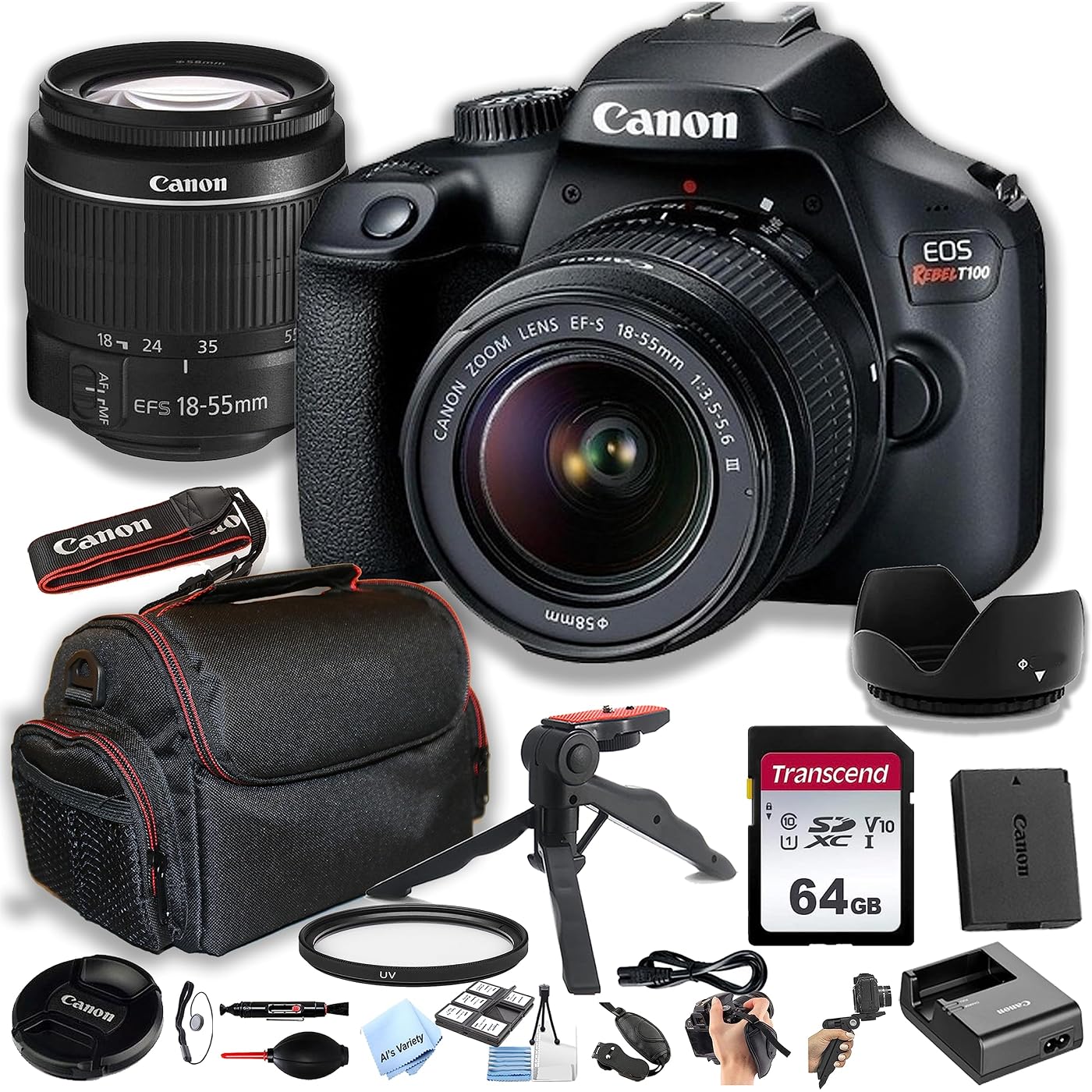
Digital SLR Cameras for Sale: How to Choose the Right One
Looking for digital SLR cameras for sale can be a great way to find a camera that offers hands-on control, interchangeable lenses and reliable image quality. Whether you are taking your first steps in photography or upgrading from an older model, it pays to compare cameras carefully before you buy.
What is a digital SLR camera?
A digital single-lens reflex (DSLR) camera uses a mirror system to direct light from the lens to an optical viewfinder. When you take a photograph, the mirror moves aside and light reaches the sensor. DSLRs are known for their optical viewfinders, tactile controls and broad choice of compatible lenses and accessories.
Although mirrorless cameras have become increasingly popular, DSLRs remain a practical option for many photographers. They can be particularly appealing if you prefer viewing a scene through an optical viewfinder, already own compatible lenses, or want to explore the second-hand market.
Decide what you want to photograph
Think about how you plan to use your camera. A beginner photographing family events, holidays and everyday scenes may value simple controls and automatic modes. Wildlife or sports photography calls for responsive autofocus and continuous shooting, while portraits and landscapes may benefit more from lens choice, resolution and image quality.
Also consider size and weight. A DSLR and lens can be heavier than a compact camera or some mirrorless alternatives. If you expect to carry your camera for long periods, check the weight of the complete setup rather than the camera body alone.
Compare the key features
- Sensor size: Many DSLRs use either an APS-C or full-frame sensor. APS-C cameras are often more affordable and can make a versatile starting point. Full-frame models may suit photographers who need particular advantages in low-light performance or depth of field, but bodies and lenses can cost more.
- Resolution: A higher megapixel count can provide more scope for cropping and large prints. It is only one part of image quality, so consider the camera’s overall performance and the lenses available for it.
- Autofocus: Check the autofocus system and how well it suits your subjects. Features that matter for fast-moving wildlife may be less important for still-life photography.
- Video: If you intend to film as well as take photographs, check supported resolutions, frame rates, microphone connections and recording limits.
- Connectivity: Wi-Fi, Bluetooth or a suitable mobile app can make transferring images more convenient, though availability varies by model.
- Battery life: Battery performance differs between cameras and depends on how they are used. If buying second-hand, ask about the battery’s condition and whether a charger is included.
Choose a suitable lens
The lens has a major effect on what you can photograph. A standard zoom lens is a flexible choice for everyday use, while a telephoto lens can help with distant subjects and a wide-angle lens can suit architecture or expansive landscapes. A bright prime lens may be useful for portraits or low-light settings.
Before buying, check that the lens mount is compatible with the camera body. Compatibility can vary even within the same brand, so confirm the exact model and mount rather than relying on the brand name alone. If you already own lenses, make sure they will work as expected with the camera you are considering.
Buying a new or used DSLR
A new camera may come with a manufacturer’s warranty and a straightforward returns process. A used DSLR can cost less and may give you access to a higher-specification body or additional lenses within your budget. The condition and seller’s terms are especially important when buying second-hand.
For a used camera, check the following before committing:
- Inspect the body for cracks, dents, loose parts or signs of water damage.
- Test the buttons, dials, screen, viewfinder, flash and memory-card slot.
- Take test photographs at different settings and review them for marks or faults.
- Ask about the camera’s history, included accessories and any known issues.
- Check whether the seller offers a warranty, return period or proof of purchase.
- For lenses, inspect the glass for scratches, fungus or internal dust, and test autofocus and aperture operation.
A DSLR’s shutter count can offer some information about its use, but it should not be treated as the sole measure of condition. Ask how the count was obtained, and consider it alongside the camera’s overall state and the seller’s information.
Budget for more than the camera
When comparing digital SLR cameras for sale, remember to include the cost of essentials and useful extras. These may include a lens, memory card, spare battery, camera bag, cleaning kit or tripod. If you are buying a body-only offer, make sure you have a compatible lens before placing your order.
It is also worth comparing the total price of a camera-and-lens package with the cost of buying each item separately. Read the listing carefully so you know exactly what is included, and check delivery costs and returns information before buying.
Make an informed choice
The best DSLR is not necessarily the newest or most expensive. It is the one that suits your photography, feels comfortable to use and fits your budget once lenses and accessories are included. Compare specifications, check compatibility and examine the seller’s terms. With a little research, you can find a digital SLR camera that gives you room to learn, experiment and capture the images you want.
Digital SLR Cameras for Sale: Your Questions Answered
- Do they still make digital SLR cameras?
- Can an SLR camera be digital?
- What is a good digital SLR camera?
- Can you still buy SLR cameras?
- Why buy a digital SLR camera?
Do they still make digital SLR cameras?
Yes, some manufacturers still produce digital SLR cameras, but new models are released less often than they used to be. Many brands now focus mainly on mirrorless cameras, so the range of new DSLRs is smaller. You can still find new and second-hand digital SLR cameras for sale, along with a wide choice of compatible lenses and accessories. Before buying, check whether the model is still supported and whether its lenses and parts suit your needs.
Can an SLR camera be digital?
Yes. A digital SLR camera, or DSLR, is an SLR camera that records images on a digital sensor instead of film. It uses a mirror and optical viewfinder to let you see through the lens, while storing photographs on a memory card. When browsing digital SLR cameras for sale, check whether the listing includes a lens, as some cameras are sold as body-only.
What is a good digital SLR camera?
A good digital SLR camera is one that suits your experience, subjects and budget. For beginners, look for a comfortable, easy-to-use model with reliable autofocus, helpful automatic modes and a versatile kit lens. If you photograph sports or wildlife, fast focusing and continuous shooting may matter more; for portraits or landscapes, lens choice and image quality could be the priority. Before buying, compare the total cost of the camera, compatible lenses and accessories, and check the condition and warranty if you are considering a used model.
Can you still buy SLR cameras?
Yes, you can still buy SLR cameras, although new digital SLR (DSLR) models are less common as many manufacturers now focus on mirrorless cameras. You may find DSLRs through specialist retailers, remaining new stock and the second-hand market. Before buying, check the camera’s condition, warranty and lens compatibility, and compare the total cost with a mirrorless alternative. Film SLR cameras are also available, particularly from used-camera shops and vintage sellers.
Why buy a digital SLR camera?
A digital SLR camera can be a good choice if you want more creative control than a typical phone or compact camera offers. Its interchangeable lenses let you adapt to different subjects, while manual settings help you shape exposure and focus as your skills develop. Many photographers also value the optical viewfinder, comfortable handling and wide range of compatible accessories. Consider your budget and how much equipment you want to carry, as DSLRs can be bulkier than other camera types.