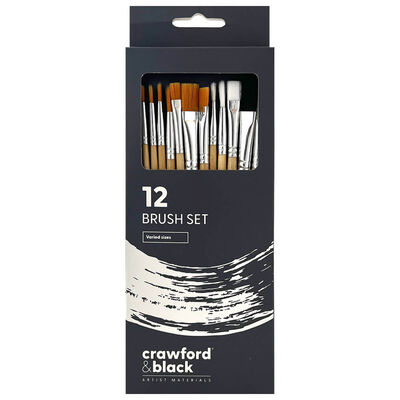
Paint Brushes: A Guide to Choosing and Caring for Them
Paint brushes are among the most important tools in an artist’s kit. The right brush can help create fine details, soft washes, bold strokes or textured effects, while a poorly suited brush can make even a simple task more difficult. Understanding brush shapes, bristles and care can help you choose tools that work well for your medium and style.
Brush shapes and what they do
Brushes come in a range of shapes, each suited to different marks and techniques:
- Round brushes have a pointed tip and are useful for outlines, details and varied strokes. Pressing harder creates a broader line.
- Flat brushes have a straight edge for broad strokes, clean lines and filling larger areas.
- Filbert brushes have a gently rounded, flat shape. They are versatile for blending and painting soft edges.
- Fan brushes spread into a fan shape and can be used for texture, foliage and gentle blending.
- Detail brushes have small heads designed for fine lines and precise work.
- Angle brushes have slanted bristles that can help with controlled strokes, edges and corners.
Natural and synthetic bristles
Brush bristles are generally made from natural hair, synthetic fibres or a combination of the two. Natural-hair brushes can hold plenty of paint and are often chosen for techniques that benefit from a soft, flexible brush. Synthetic brushes are durable, widely available and easy to clean. Many are designed to perform well with particular paints, including watercolour, acrylic and oil paint.
The best choice depends on the paint and the effect you want. Watercolour painters often favour brushes that hold water and come to a fine point. Acrylic painters may prefer resilient synthetic bristles, which can withstand frequent cleaning. Oil painters can choose from both natural and synthetic brushes, depending on their preferred stroke and paint consistency.
How to choose a paint brush
Start by considering the medium you use. Some brushes are designed specifically for watercolour, acrylic or oil paint, and using a suitable brush can improve control and help it last longer. Next, think about the size and shape of the marks you want to make. A large flat brush is useful for covering broad areas, while a small round brush is better for detail.
It is also worth checking how the brush feels in your hand. The handle should be comfortable, and the bristles should feel secure in the ferrule—the metal band that connects the bristles to the handle. A good-quality brush should keep its shape after use and should not shed bristles excessively.
Cleaning and caring for paint brushes
Proper cleaning is essential for keeping brushes in good condition. Clean them as soon as possible after painting, using a method suited to the type of paint. Water-based paints can usually be rinsed from the bristles with water, while oil paint requires an appropriate solvent followed by a suitable soap or brush cleaner. Always follow the instructions for the paint and cleaning products you use.
After cleaning, gently reshape the bristles with your fingers and leave the brush to dry flat or with the bristles pointing downwards. Avoid leaving brushes standing on their bristles in water, as this can bend or loosen them. Once dry, store them in a way that protects their shape.
Making brushes last longer
A few simple habits can extend the life of a paint brush. Avoid pressing the bristles too hard against the surface, and do not allow paint to dry in the ferrule. Use separate brushes for different paint types where practical, and clean them thoroughly before changing mediums. With the right brush and regular care, a small collection can support a wide variety of painting techniques.
Whether you are just starting out or adding to an established collection, paint brushes offer a practical way to explore line, colour and texture. Choosing shapes and bristles to suit your work makes painting more enjoyable—and looking after them helps ensure they remain reliable tools for future projects.
8 Essential Tips for Choosing and Caring for Paint Brushes
- Choose natural bristles for oil-based paint.
- Use synthetic bristles with water-based paint.
- Match brush width to the job.
- Load only the lower third of the bristles.
- Brush along the grain of the surface.
- Clean brushes promptly after use.
- Reshape bristles before storing.
- Hang brushes or store them flat.
Choose natural bristles for oil-based paint.
For oil-based paint, natural-bristle brushes are a traditional choice because their firm, absorbent bristles hold paint well and create smooth, controlled strokes. They can be especially useful for achieving an even finish on larger surfaces. Clean them promptly with the appropriate solvent and follow the manufacturer’s care instructions to help preserve their shape.
Use synthetic bristles with water-based paint.
Synthetic-bristle brushes are a practical choice for water-based paints such as acrylics and emulsion. Their resilient fibres hold their shape, provide good control and are easy to clean with water, making them suitable for both broad strokes and detailed work. Rinse the brush promptly after use and reshape the bristles before leaving it to dry.
Match brush width to the job.
Match the brush width to the area you’re painting: a wide brush covers large surfaces quickly and evenly, while a narrow brush gives you greater control for edges, small sections and fine details. Using a brush that’s too small can make broad areas slow to cover, while one that’s too wide may leave paint where you don’t want it.
Load only the lower third of the bristles.
Load only the lower third of the bristles with paint to maintain control and keep the brush in good condition. Dipping too deeply can force paint into the ferrule, where it is harder to clean and may cause the bristles to spread or loosen over time. For an even application, gently work the paint into the tip and remove any excess before you begin.
Brush along the grain of the surface.
When painting wood or another textured surface, brush along the grain rather than across it. Following the grain helps the paint settle more evenly, reduces visible brush marks and creates a smoother, more natural finish. Use steady strokes in the same direction, and avoid overworking areas as the paint begins to dry.
Clean brushes promptly after use.
Clean paint brushes as soon as you finish using them, before paint has time to dry and harden among the bristles. Rinse water-based paints out with water, and use an appropriate cleaner for oil-based paints, following the product instructions. Gently reshape the bristles afterwards and leave the brush to dry flat or with its bristles pointing downwards. Prompt cleaning helps brushes keep their shape, work well and last longer.
Reshape bristles before storing.
After cleaning your paint brush, gently reshape the bristles with your fingers before storing it. This helps the brush keep its original point or edge, prevents the bristles from splaying and ensures it is ready for your next painting session. Allow the brush to dry fully before putting it away.
Hang brushes or store them flat.
After cleaning your paint brushes, let them dry completely before storing them. Hang them with the bristles pointing downwards, or lay them flat, to help water drain away from the ferrule and prevent the bristles from bending out of shape. Avoid storing damp brushes upright on their bristles, as this can damage their shape and shorten their lifespan.