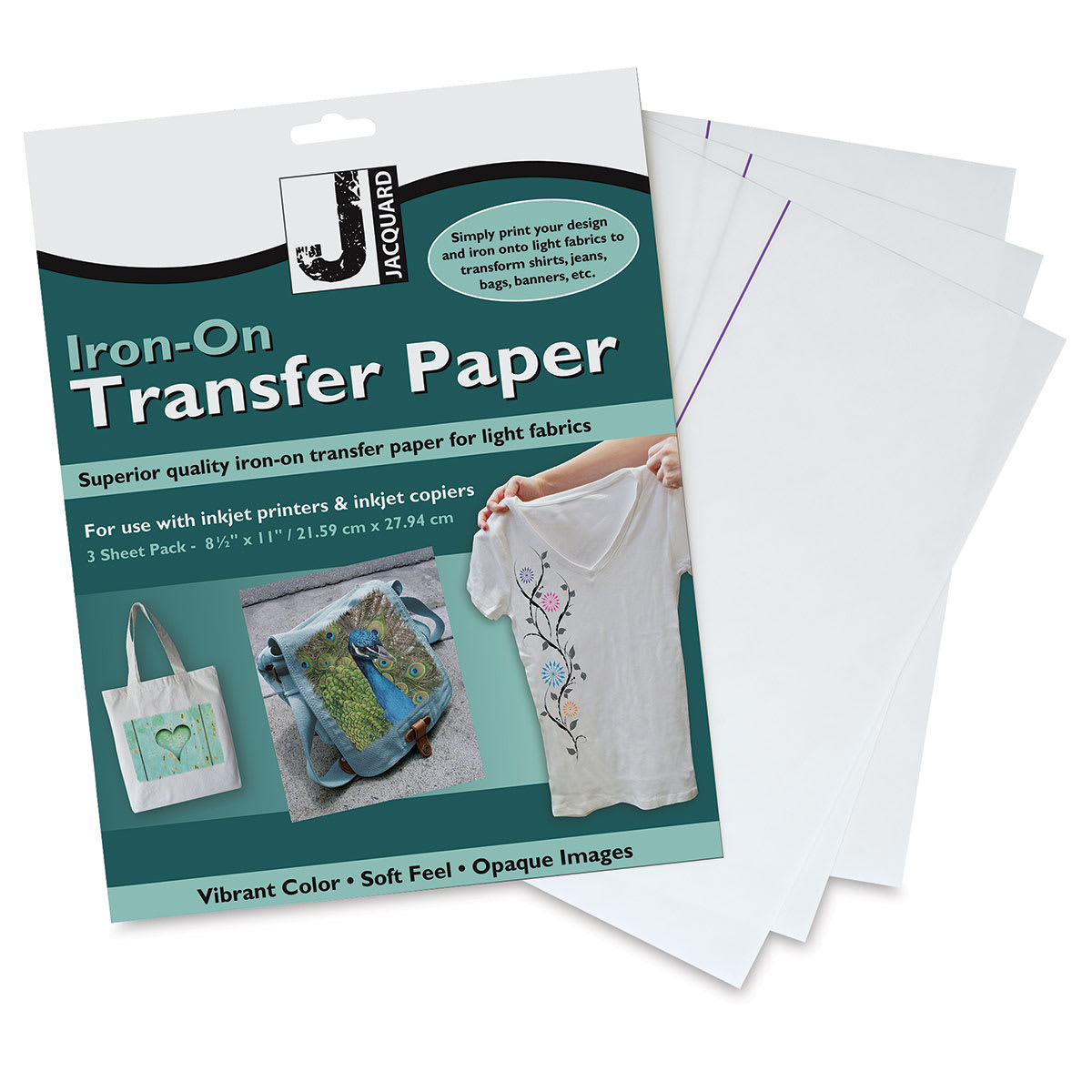
Exploring the World of Printing Transfer Paper
Printing transfer paper is a versatile and innovative tool that has revolutionised the way designs and images are transferred onto various surfaces. Whether you are a hobbyist, a small business owner, or a professional designer, printing transfer paper offers endless possibilities for creativity and personalisation.
What is Printing Transfer Paper?
Printing transfer paper, also known as transfer printing paper or heat transfer paper, is a specially coated paper that allows you to transfer designs, patterns, or images onto different materials using heat and pressure. It is commonly used in textile printing to create customised t-shirts, bags, hats, and other fabric items.
How Does It Work?
The process of using printing transfer paper involves printing your desired design onto the coated side of the paper using an inkjet or laser printer. Once the design is printed, it is then transferred onto the target surface by applying heat and pressure through a heat press machine or an iron. The heat activates the coating on the paper, causing the design to adhere to the material permanently.
Applications of Printing Transfer Paper
Printing transfer paper finds applications in various industries and settings:
- Fashion Industry: Customised t-shirts, hoodies, and accessories are popular products created using printing transfer paper.
- Promotional Merchandise: Businesses use transfer paper to print logos and branding on promotional items like mugs, pens, and keychains.
- Crafting: Hobbyists and DIY enthusiasts use transfer paper for creating personalised gifts, home decor items, and artwork.
- Sportswear: Sports teams often use printing transfer paper to add player names and numbers on jerseys.
Tips for Using Printing Transfer Paper
To achieve optimal results when using printing transfer paper:
- Select the Right Type: Choose between light-coloured or dark-coloured fabric transfer paper based on your project requirements.
- Follow Instructions Carefully: Each brand of transfer paper may have specific instructions for printing and transferring designs. Follow them closely for best results.
Top 7 Tips for Perfect Results with Transfer Paper Printing
- Ensure your printer is compatible with transfer paper before printing.
- Use high-quality images for better results on the transfer paper.
- Adjust the printer settings to ‘high quality’ or ‘photo paper’ for optimal printing.
- Allow the printed transfer paper to dry completely before transferring onto fabric.
- Follow the manufacturer’s instructions carefully for best application results.
- Pre-test a small piece of transfer paper before applying it to your final project.
- Use a hard, flat surface when transferring the design onto fabric to avoid smudging.
Ensure your printer is compatible with transfer paper before printing.
It is crucial to ensure that your printer is compatible with transfer paper before attempting to print your designs. Not all printers are suitable for transfer paper, and using an incompatible printer may result in poor-quality prints or damage to the paper and the printer itself. Check the specifications of your printer to verify its compatibility with transfer paper, and make any necessary adjustments to settings before printing to achieve the best results. By taking this precaution, you can avoid potential issues and ensure a successful transfer process for your designs.
Use high-quality images for better results on the transfer paper.
Using high-quality images is essential when working with printing transfer paper to ensure optimal results. Crisp and detailed images translate better onto the transfer paper, resulting in a final product with sharp and vibrant colours. By using high-resolution images, you can enhance the clarity and precision of your designs, leading to professional-looking transfers that stand out on various surfaces. Investing in quality images will ultimately elevate the overall outcome of your printing transfer projects, making them more visually appealing and durable in the long run.
Adjust the printer settings to ‘high quality’ or ‘photo paper’ for optimal printing.
For optimal printing results when using printing transfer paper, it is recommended to adjust the printer settings to ‘high quality’ or ‘photo paper’. By selecting these settings, you ensure that your designs are printed with the utmost clarity and precision, enhancing the overall transfer quality onto the desired surface. This adjustment helps to maintain the integrity of your design and ensures a professional finish on your transferred image.
Allow the printed transfer paper to dry completely before transferring onto fabric.
It is essential to allow the printed transfer paper to dry completely before transferring it onto fabric. This step ensures that the ink sets properly on the paper, preventing smudging or bleeding during the transfer process. By allowing sufficient drying time, you can achieve crisp and vibrant transfer results that adhere seamlessly to the fabric surface, enhancing the overall quality and longevity of your printed designs.
Follow the manufacturer’s instructions carefully for best application results.
For optimal application results when working with printing transfer paper, it is crucial to follow the manufacturer’s instructions meticulously. Each brand of transfer paper may have specific guidelines for printing and transferring designs onto different surfaces. By adhering closely to these instructions, you can ensure that your designs are transferred accurately and seamlessly, resulting in high-quality and professional-looking finished products.
Pre-test a small piece of transfer paper before applying it to your final project.
It is advisable to pre-test a small piece of transfer paper before applying it to your final project when using printing transfer paper. By conducting a test run on a small area, you can assess the quality of the print, the adherence of the design to the material, and any adjustments needed in terms of heat and pressure settings. This precautionary step helps ensure that your final project turns out exactly as intended, saving you time and materials in case any modifications are required.
Use a hard, flat surface when transferring the design onto fabric to avoid smudging.
When working with printing transfer paper, it is essential to use a hard, flat surface during the transfer process onto fabric to prevent smudging. By placing the fabric on a stable and even surface, you ensure that the heat press or iron applies consistent pressure across the design, resulting in a clean and crisp transfer. This simple tip can make a significant difference in the final outcome of your printed project, ensuring that your designs look professional and flawless.