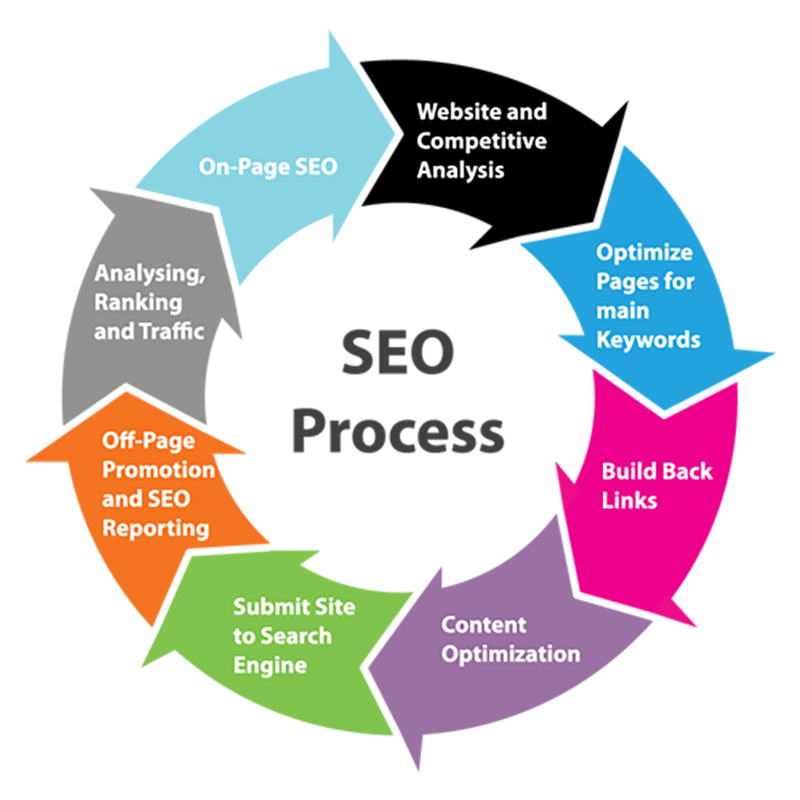
Search engine optimisation (SEO): a practical guide
Search engine optimisation, commonly known as SEO, is the process of improving a website so that it is easier for search engines to understand and more useful to the people who visit it. A well-planned SEO strategy can help relevant pages appear in search results, attract qualified visitors and support a website’s wider goals.
SEO is not a quick fix or a guarantee of a top ranking. Search engines use many signals to decide which pages to show, and results can change over time. Sustainable optimisation focuses on creating a helpful, accessible and technically sound website for real users.
How does SEO work?
Search engines discover pages by crawling links across the web. They then analyse and organise information about those pages in an index. When someone searches, the engine selects and orders results that it considers relevant and useful.
SEO helps search engines find, interpret and assess a website’s content. It also helps visitors navigate the site and find answers to their questions. The main areas of SEO are content, technical performance and reputation.
Create useful, relevant content
Good content starts with understanding what your audience needs. Consider the questions people ask, the problems they want to solve and the language they use. Keyword research can help identify these topics, but keywords should guide the content rather than dictate every sentence.
- Answer the reader’s question clearly and accurately.
- Use descriptive headings to organise information.
- Write naturally and avoid repeating keywords unnaturally.
- Keep important information up to date.
- Provide original insight, practical advice or useful detail.
Each page should have a clear purpose. Combining several unrelated topics on one page can make it harder for visitors and search engines to understand what the page offers.
Improve on-page SEO
On-page SEO involves refining the elements of individual pages. A clear page title and a concise meta description can help people understand what a page is about when it appears in search results. These elements should be accurate and specific, rather than stuffed with keywords.
Use headings in a logical order, write descriptive link text and add meaningful alternative text to informative images. Internal links can connect related pages and help visitors discover more of your website. Make sure that important pages can be reached easily through the site’s navigation.
Make the website technically accessible
Technical SEO helps search engines access and process a website. It also supports a better experience for visitors. Start by checking that important pages can be crawled and indexed, that broken links are fixed and that duplicate or outdated pages are handled appropriately.
Other useful checks include:
- Use secure HTTPS connections.
- Make pages work well on mobile devices.
- Improve loading speed and reduce unnecessary page elements.
- Use clear, descriptive URLs.
- Provide an XML sitemap and maintain accurate robots.txt settings.
- Use structured data where it accurately describes the page.
Technical changes should be tested carefully. A poorly configured setting can prevent search engines from accessing pages that should be visible.
Build trust and credibility
Search engines aim to show results that are reliable and relevant. A website can demonstrate credibility by publishing accurate information, identifying its authors and providing clear details about the organisation behind the site. For topics that could affect someone’s health, finances or safety, careful sourcing and qualified expertise are especially important.
Links from other reputable websites can help people discover your content and may contribute to how search engines assess your site. Focus on earning links through genuinely useful resources, partnerships and public relations. Avoid buying links or using schemes designed to manipulate rankings, as these can put a website at risk.
Measure and improve
SEO works best as an ongoing process. Search Console tools can show how a website performs in search, including impressions, clicks and indexing issues. Website analytics can help explain what visitors do after arriving on a page.
Review results in context. A change in traffic may reflect seasonality, a change in demand, a technical issue or a search engine update. Track meaningful outcomes such as enquiries, sales, subscriptions or other actions that matter to the organisation, rather than focusing only on rankings.
Common SEO mistakes to avoid
- Writing primarily for search engines instead of people.
- Publishing large amounts of thin or duplicated content.
- Using misleading titles or descriptions.
- Ignoring mobile usability and page performance.
- Building low-quality links to manipulate rankings.
- Expecting immediate results or guaranteed positions.
SEO is a long-term investment
Effective SEO combines useful content, thoughtful site structure, sound technical foundations and a trustworthy reputation. The best approach is to make gradual improvements, monitor their impact and keep adapting to your audience’s needs. While search rankings can never be guaranteed, a website that is clear, accessible and genuinely helpful is better placed to earn lasting visibility.
Search Engine Optimisation (SEO): 9 Frequently Asked Questions
- What is search engine optimisation (SEO)?
- How does SEO work?
- Why is SEO important for a website?
- How long does SEO take to show results?
- What is the difference between on-page and off-page SEO?
- What is technical SEO?
- How do I find the right keywords for my website?
- Can I do SEO myself, or should I hire an SEO specialist?
- How can I measure the success of an SEO campaign?
What is search engine optimisation (SEO)?
Search engine optimisation (SEO) is the process of improving a website so that search engines can understand its content and people can find it more easily in search results. It includes creating useful, relevant content, improving a site’s structure and performance, and making sure pages are accessible on different devices. SEO can help attract visitors who are looking for the products, services or information a website offers, but results usually take time and cannot be guaranteed.
How does SEO work?
SEO works by helping search engines discover, understand and assess the pages on a website. Search engines crawl pages by following links, add information about them to an index, then rank relevant pages in response to a search. Clear, useful content, a well-structured and technically accessible website, and signals of trust and authority can all help a page perform well. SEO takes time, and rankings are never guaranteed.
Why is SEO important for a website?
SEO is important because it helps search engines understand a website and show its pages to people searching for relevant information, products or services. Strong SEO can increase visibility, attract more qualified visitors and make it easier for users to navigate and access useful content. Over time, this can support goals such as generating enquiries, increasing sales or building trust in a brand.
How long does SEO take to show results?
SEO usually takes several months to show meaningful results, although the timeframe varies depending on your website, competition, industry and the work involved. Technical fixes or improvements to existing pages may have an impact sooner, while building authority and visibility for competitive search terms often takes longer. SEO is an ongoing process rather than a one-off task, so monitor progress using measures such as organic traffic, enquiries and sales, and allow time for changes to take effect.
What is the difference between on-page and off-page SEO?
On-page SEO covers improvements made directly to a website, such as creating useful content, using clear headings and page titles, improving internal links and ensuring pages load well on mobile devices. Off-page SEO refers to signals from outside the website that can influence its visibility, particularly links from reputable sites, as well as brand mentions and reputation. In short, on-page SEO improves the website itself, while off-page SEO helps build its authority and credibility elsewhere online.
What is technical SEO?
Technical SEO is the process of improving a website’s technical foundations so search engines can crawl, understand and index its pages effectively. It includes tasks such as improving site speed and mobile usability, securing the website with HTTPS, fixing broken links, organising URLs and managing sitemaps and indexing settings. Good technical SEO also makes the site easier and more reliable for visitors to use.
How do I find the right keywords for my website?
To find the right keywords, start by identifying what your audience is looking for and the questions they ask about your products, services or subject. Use keyword research tools and search engine suggestions to explore relevant terms, compare search volumes and competition, and look for specific phrases that show clear intent. Choose keywords that closely match each page’s content and purpose, including natural variations and longer, more detailed searches. Prioritise relevance and usefulness over high search volume, then review your website’s performance and refine your choices over time.
Can I do SEO myself, or should I hire an SEO specialist?
You can handle SEO yourself, particularly if you have a small website and are willing to learn the basics, such as creating useful content, improving page titles and checking that your site works well on mobile. An SEO specialist may be worth hiring if you have limited time, face complex technical issues or need a broader strategy. If you do hire someone, look for clear explanations, realistic expectations and transparent reporting; no specialist can guarantee a particular ranking.
How can I measure the success of an SEO campaign?
Measure an SEO campaign against clear goals set before it begins, such as increasing qualified organic traffic, enquiries, sales or sign-ups. Use tools such as Google Search Console and web analytics to track search impressions, clicks, click-through rate, rankings for relevant queries, organic visits and, most importantly, conversions. Compare results with a suitable baseline over time, taking seasonality and changes in demand into account; SEO can take months to show results, so avoid judging success by rankings alone.