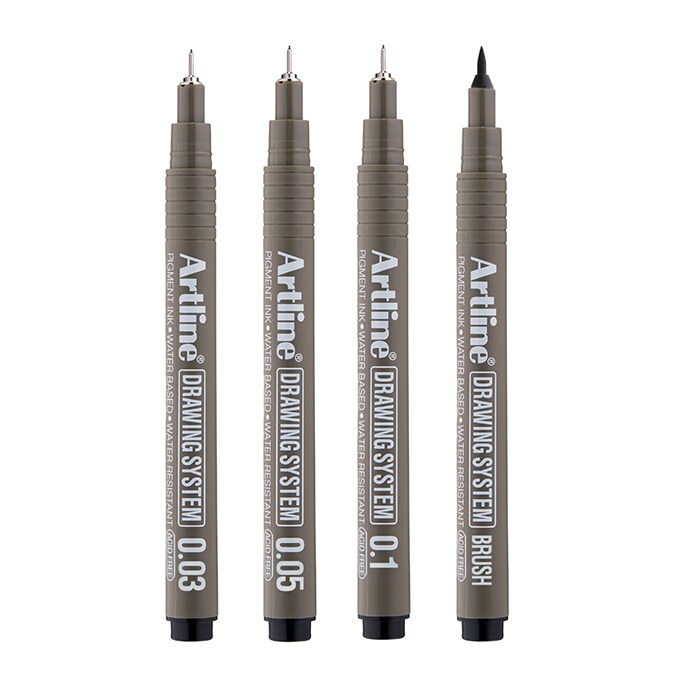
Choosing the Right Drawing Pen Set
A good drawing pen set can make a real difference to your artwork. Whether you are sketching in a notebook, creating detailed illustrations or experimenting with lettering, the right pens help you control line, texture and tone. With sets ranging from a few basic fineliners to large collections of specialist tools, it helps to know what to look for before you buy.
What is a drawing pen set?
A drawing pen set is a collection of pens designed for illustration, sketching and other creative work. Many sets include fineliners in several nib sizes, while others may feature brush pens, technical pens or markers. The best choice depends on what you want to make and the kind of marks you prefer.
Common types of drawing pens
- Fineliners: These pens have narrow tips for clean, consistent lines. A range of nib sizes is useful for outlines, fine details and lettering.
- Technical pens: Designed to produce precise lines, they are often used for architectural drawings, diagrams and careful line work.
- Brush pens: Their flexible tips create lines that vary in thickness with pressure. They are popular for expressive illustration, calligraphy and bold outlines.
- Felt-tip pens: These offer a broader, softer mark and can be useful for loose sketches, colouring and graphic work.
- Waterproof drawing pens: Their ink is designed to resist water once dry, making them a practical choice for artwork that will be coloured with watercolour or other wet media. Always check the manufacturer’s instructions.
What to consider when choosing a set
Nib sizes
A set with several nib widths gives you more control over line weight. Fine tips are helpful for small details, while broader tips create stronger outlines and more expressive marks. If you are new to drawing pens, a set with a modest selection of sizes is often enough to get started.
Ink quality
Look for ink that flows smoothly and dries at a suitable speed for your working style. If you plan to layer colour over your drawing, check whether the ink is waterproof and whether it is compatible with your chosen materials. Testing a pen on a scrap of the same paper can help prevent smudging or bleeding.
Paper compatibility
Thin or absorbent paper may allow ink to show through or spread. For crisp lines, use paper made for drawing or illustration. The surface also affects the result: smooth paper tends to suit detailed line work, while textured paper can give marks a more varied appearance.
Comfort and durability
If you draw for long periods, consider the shape and weight of the pen. A comfortable barrel can make detailed work easier. Check how the pens are stored, too: a secure case helps keep the set organised and protects the tips.
Tips for using drawing pens
- Test each pen on a spare sheet before starting a finished piece.
- Allow ink to dry before erasing pencil marks or adding another medium.
- Use light pressure with fine nibs to help prevent damage to the tip.
- Try varying line weight to create depth, emphasis and contrast.
- Keep caps firmly in place when pens are not in use, and store them as directed by the manufacturer.
Looking after your pens
Good care can help a drawing pen set last longer. Replace caps promptly to prevent the ink from drying out, and avoid pressing too hard on delicate tips. If a pen stops flowing, follow the maker’s care advice rather than forcing ink through the nib. Store the pens in their case or another clean, dry place.
A versatile tool for creative work
The right drawing pen set can support everything from quick sketches to carefully finished illustrations. Start by considering your preferred style, the surfaces you use and whether you need features such as brush tips or water-resistant ink. A well-chosen set gives you room to experiment while helping you build confidence in your line work.
Versatile Drawing Pen Set for Fine Detail, Creative Freedom and Easy Organisation
- Offers a range of line widths.
- Great for detailed illustrations.
- Suitable for sketching and lettering.
- Easy to carry and organise.
- Ideal for creative experimentation.
Five Drawbacks of Drawing Pen Sets
- Some sets can be expensive.
- Fine nibs may wear or clog.
- Ink can bleed through thin paper.
- Pens may dry out if left uncapped.
- Large sets can include colours or sizes you rarely use.
Offers a range of line widths.
A drawing pen set that offers a range of line widths gives you greater control and flexibility in your artwork. Use fine nibs for delicate details and precise outlines, then switch to broader tips for bold contours, shading or expressive strokes. Varying line thickness can also add depth, contrast and emphasis, helping your drawings feel more dynamic.
Great for detailed illustrations.
A drawing pen set is ideal for detailed illustrations, offering a range of nib sizes for everything from fine textures and delicate features to crisp outlines. The precise, consistent lines make it easier to add depth and definition, helping intricate artwork look clean and polished.
Suitable for sketching and lettering.
A drawing pen set is a versatile choice for both sketching and lettering. Fine nibs help create crisp outlines and intricate details, while broader or brush-style tips can add expressive strokes and varied line weight. This range makes it easy to move from quick studies to carefully finished designs using the same set.
Easy to carry and organise.
A drawing pen set is easy to carry and organise, making it a practical choice for artists who like to sketch on the go. The pens are usually stored together in a compact case, so they are simple to pack in a bag and quick to find when inspiration strikes. Keeping them in one place also helps protect the nibs and reduces the chance of losing individual pens.
Ideal for creative experimentation.
A drawing pen set is ideal for creative experimentation, giving you a variety of nib sizes and styles to explore different lines, textures and techniques. Try combining fine details with bold outlines, or use brush pens to vary line thickness with pressure. This range makes it easy to test new approaches, develop your own style and discover fresh ways to bring ideas to life.
Some sets can be expensive.
Some drawing pen sets can be expensive, particularly those with a wide range of nib sizes, specialist pens or premium-quality ink. If you are just starting out, you may not need all the tools included, so consider how often you will use them and which types of pen suit your work before buying. A smaller, more affordable set can be a sensible way to explore drawing with pens before investing in a larger collection.
Fine nibs may wear or clog.
Fine nibs can wear down or become clogged with ink or paper fibres, especially with frequent use or if they are pressed too firmly against the page. This may result in uneven lines or reduced ink flow. Handle delicate tips gently, keep the caps on when the pens are not in use, and follow the manufacturer’s care instructions to help them last longer.
Ink can bleed through thin paper.
One drawback of a drawing pen set is that its ink can bleed through thin paper, leaving marks on the page underneath or affecting the other side of your work. This can be especially frustrating when using notebooks or lightweight sketchbooks. Testing the pens on a spare sheet first, or choosing thicker paper, can help prevent the problem.
Pens may dry out if left uncapped.
One drawback of a drawing pen set is that the pens may dry out if they are left uncapped, particularly if they are not used for a while. This can cause the ink to flow unevenly or stop altogether, making the pen less reliable and shortening its useful life. Replace the cap securely after each use and store the pens as recommended by the manufacturer.
Large sets can include colours or sizes you rarely use.
Large drawing pen sets may seem like good value, but they can include colours or nib sizes you rarely use. These unused pens can take up space and add to the cost, so consider your preferred drawing style and choose a set with the colours and sizes you are most likely to reach for.