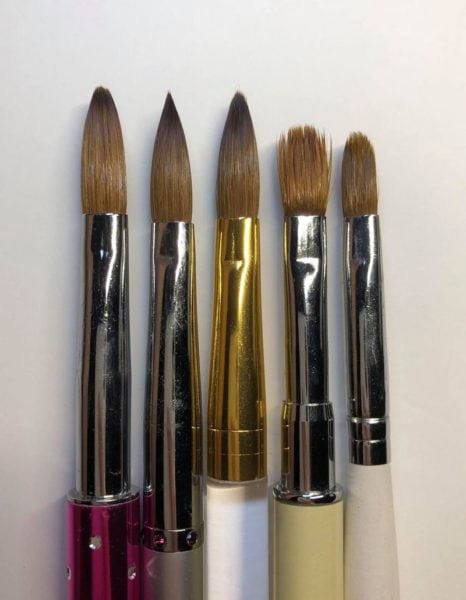
Best Paint Brushes for Acrylic Paint
The best paint brushes for acrylic paint depend on what you want to create. Fine details call for a different brush from broad backgrounds, while heavy-bodied acrylics need bristles that can move thicker paint without losing their shape. For most artists, a good set of synthetic brushes offers the best balance of control, durability and value.
This guide explains which brushes work well with acrylics, what to look for when buying them, and how to care for them so they last.
What makes a good acrylic paint brush?
Acrylic paint is water-based, but it can dry quickly and become difficult to remove from bristles. A suitable brush should be resilient, easy to clean and able to hold enough paint for smooth, even strokes.
- Synthetic bristles: Nylon or polyester brushes are generally a reliable choice. They tend to spring back into shape, stand up well to acrylic paint and are usually less expensive than natural-hair brushes.
- Firmness suited to your paint: Softer bristles are useful for fluid acrylics and smooth finishes. Firmer bristles provide more control with thick paint and textured techniques.
- A secure ferrule: The metal band joining the bristles to the handle should feel firmly attached. A loose ferrule can lead to shedding or a wobbly brush head.
- A comfortable handle: Short handles are convenient for close-up work and painting at a table. Long handles can feel more natural when working at an easel.
Best brush types for acrylic painting
Round brushes: best for detail and line work
A round brush has a pointed tip and a fuller belly. Use a small round for fine lines, lettering and tiny details; larger rounds are useful for broader marks and controlled washes. Rounds are among the most versatile brushes in an acrylic collection.
Flat brushes: best for broad strokes and edges
Flat brushes have a straight, square-ended shape. They are useful for filling areas, painting clean edges and creating broad, confident strokes. Turn the brush on its edge to make narrower lines.
Filbert brushes: best for soft edges and blending
A filbert combines a flat brush’s broad shape with a rounded tip. It can create smooth strokes without the hard corners of a flat, making it a good choice for blending, curved forms and painting organic subjects.
Bright brushes: best for controlled, short strokes
Brights are similar to flats but usually have shorter bristles. Their firmness makes them suitable for thicker acrylics, textured marks and short strokes where precision matters.
Fan brushes: best for texture
Fan brushes spread into a thin, fan-shaped edge. They can be used for soft blending, foliage, fur and other broken textures. They are specialised, so they are usually an addition to a basic set rather than an essential first purchase.
Large wash brushes: best for backgrounds
A wide flat or wash brush covers large areas quickly and can help create an even background. Look for a brush with enough capacity to hold paint, but avoid pressing too hard, which can leave streaks.
Brushes worth considering
Several established ranges offer synthetic brushes suited to acrylic painting. Availability and prices can vary, so compare the brush shape, size and firmness rather than choosing by brand name alone.
- Daler-Rowney Graduate brushes: A practical option for beginners and students looking for general-purpose brushes at an accessible price.
- Winsor & Newton Galeria brushes: A well-known synthetic range with options for different shapes and levels of control.
- Princeton Select Artiste brushes: A broad range of synthetic shapes, useful if you want to build a collection for specific techniques.
- Liquitex Freestyle brushes: Designed with acrylic painting in mind, including options suited to larger work and heavier paint application.
These are starting points rather than a definitive ranking. A carefully chosen set of a few good brushes is often more useful than a large set of brushes you rarely reach for.
A useful starter set
If you are new to acrylics, begin with a small selection that covers common tasks:
- One small round brush for details and fine lines
- One medium round brush for general painting
- One medium flat or bright for edges and solid areas
- One filbert for blending and softer shapes
- One large flat or wash brush for backgrounds
Brush sizes differ between manufacturers, so check the actual width and length of the bristles where possible. A size 6 from one range may not feel exactly like a size 6 from another.
How to choose brushes for your painting style
For fine detail: Choose small rounds with a neat point. A brush that keeps its tip is more useful than one with very soft bristles that splay as soon as it touches the canvas.
For large canvases: Add wide flats or wash brushes, which make it quicker to cover backgrounds. A longer handle may also be comfortable if you paint standing at an easel.
For thick, textured paint: Look for firmer synthetic bristles or brushes labelled for acrylics. They are better able to move heavy paint and maintain control.
For smooth blending: Try a softer synthetic filbert or flat. Keep the brush clean and work while the paint is still wet, as acrylics can dry quickly.
For budget-conscious painting: A basic synthetic set is a sensible start. If you paint regularly, replace the brushes you use most with better-quality individual brushes over time.
How to care for acrylic paint brushes
Good brush care can significantly extend the life of your brushes. Acrylic paint should not be allowed to dry in the bristles, particularly near the ferrule.
- Rinse the brush in water as soon as you finish using it, or when changing colours.
- Gently work out paint with your fingers or a suitable brush cleaner. Avoid crushing or pulling the bristles.
- Reshape the tip or edge before leaving the brush to dry.
- Dry brushes horizontally or with the bristles pointing down. Storing them bristles-up while wet can allow water to collect in the ferrule.
- Do not leave brushes standing in a jar of water, as this can bend the bristles and weaken the handle.
If paint has begun to dry in a brush, use a cleaner made for acrylic paint and follow its instructions. Avoid using harsh solvents unless the brush manufacturer recommends them.
Common buying mistakes to avoid
- Buying too many brushes at once: Start with a few shapes you will actually use, then add specialised brushes as your technique develops.
- Choosing natural hair by default: Natural-hair brushes can be excellent for some media, but synthetic bristles are often more practical for acrylic paint.
- Ignoring brush firmness: A very soft brush may struggle with thick paint, while a very stiff brush can leave unwanted marks in a smooth wash.
- Leaving paint to dry in the brush: This can ruin the shape and make the brush difficult to clean.
- Judging quality by the number of pieces in a set: A smaller set with reliable bristles is often a better investment than a large collection of inconsistent brushes.
Final thoughts
For most acrylic painters, synthetic brushes are the best place to start. A small round, a medium flat, a filbert and a larger brush for backgrounds will cover many everyday tasks. Choose the firmness and shape to suit your paint and technique, and clean each brush promptly after use. With the right basics, you can build a collection that supports everything from detailed illustration to bold, textured painting.
Top 9 Tips for Selecting the Best Paint Brushes for Acrylic Painting
- Choose synthetic bristles; they handle acrylics well and clean easily.
- Pick firm bristles for control with thick paint.
- Use flat brushes for broad strokes and sharp edges.
- Choose round brushes for lines and fine details.
- Try filbert brushes for soft edges and rounded strokes.
- Keep a range of sizes for varied marks.
- Look for secure ferrules to prevent shedding.
- Choose comfortable handles that suit your painting style.
- Rinse brushes promptly to stop acrylic paint drying in the bristles.
Choose synthetic bristles; they handle acrylics well and clean easily.
Choose brushes with synthetic bristles for acrylic painting. Nylon or polyester fibres are durable, hold their shape well and cope with both fluid and thicker acrylics. They are also easy to clean with water while the paint is still wet, making them a practical choice for everyday use.
Pick firm bristles for control with thick paint.
For thick acrylic paint, choose a brush with firm bristles. They offer greater control, hold their shape under pressure and help you place heavy paint precisely, whether you are making crisp strokes or building texture. Synthetic brushes are often a practical choice, as they tend to be durable and spring back into shape.
Use flat brushes for broad strokes and sharp edges.
Flat brushes are ideal when you want to cover larger areas with confident, even strokes or create clean, sharp edges. Their square-shaped bristles lay down paint smoothly, making them useful for backgrounds, straight lines and geometric shapes. For a narrower mark, turn the brush on its edge; for a broader stroke, use the full width of the bristles.
Choose round brushes for lines and fine details.
Choose round brushes for lines and fine details. Their pointed tips make it easier to paint delicate outlines, lettering and small features, while the fuller bristles hold enough acrylic paint for a smooth, continuous stroke. A small round brush offers greater precision, while a medium size is more versatile for varied line widths and slightly larger details.
Try filbert brushes for soft edges and rounded strokes.
Filbert brushes are a versatile choice for acrylic painting, combining the broad shape of a flat brush with a softly rounded tip. They’re ideal for creating smooth, rounded strokes and blending colours without leaving sharp edges. Try one for petals, clouds, curved forms or gently softened outlines.
Keep a range of sizes for varied marks.
Keep a range of brush sizes to create varied marks and work more flexibly. Small brushes are ideal for fine details, delicate lines and precise edges, while medium brushes suit general painting and broader strokes. Larger brushes help cover backgrounds quickly and create bold, expressive marks. Having several sizes to hand also means you can switch tools rather than forcing one brush to do every job, helping you achieve cleaner results and a wider variety of effects.
Look for secure ferrules to prevent shedding.
When choosing brushes for acrylic paint, check that the ferrule—the metal band connecting the bristles to the handle—is firmly secured. A tight ferrule helps keep the bristles in place, reducing shedding and preventing the brush head from becoming loose during painting. This is especially important with acrylics, as frequent washing and use can put extra strain on the brush.
Choose comfortable handles that suit your painting style.
Choose brush handles that feel comfortable for the way you paint. Short handles are often easier to control when working close up or at a table, while long handles can feel more natural when painting at an easel, where they allow you to stand back and judge the whole composition. If possible, hold a brush before buying it: a balanced, comfortable handle can make longer painting sessions easier and help you work with greater control.
Rinse brushes promptly to stop acrylic paint drying in the bristles.
Rinse your brushes promptly after using them, and whenever you change colours, to stop acrylic paint drying in the bristles. Dried paint can make the bristles stiff, spoil the brush’s shape and shorten its lifespan. Gently rinse with water, working paint out from near the ferrule without pulling or crushing the bristles, then reshape the brush and leave it to dry horizontally.