Cheap Photography Cameras: How to Find the Right Camera for Your Budget
You do not need to spend a fortune to take great photographs. Cheap photography cameras can offer plenty of creative control and image quality, whether you are learning the basics, travelling light or looking for an affordable alternative to your phone. The key is choosing a camera that suits the way you want to take pictures—not simply buying the model with the most features.
What counts as a cheap camera?
“Cheap” means different things to different people. For some, it means a simple compact camera; for others, it means a second-hand mirrorless or DSLR model. Prices also vary depending on condition, included lenses, accessories and availability, so it is worth comparing several retailers and used-camera listings before making a decision.
Rather than focusing on the lowest price alone, consider the total cost. A camera may need a memory card, spare battery, lens or protective case. With an interchangeable-lens model, check the price and availability of compatible lenses too.
Types of budget-friendly cameras
Compact cameras
Compact cameras are small, straightforward and easy to carry. Many have a built-in zoom lens, so there is no need to buy separate lenses. They can be a convenient choice for holidays, family occasions and everyday photography. Before choosing one, check whether it offers the zoom range and controls you need, as some basic models provide limited manual adjustment.
Used DSLRs
A second-hand DSLR can be a good-value option if you want a traditional camera with manual controls and a viewfinder. Older models can still produce excellent photographs, and a large range of used lenses may be available. However, DSLRs are generally bulkier than mirrorless cameras, and older models may have less advanced video or wireless features.
Entry-level mirrorless cameras
Mirrorless cameras combine interchangeable lenses with a smaller body than many DSLRs. An older or used entry-level model may fit a modest budget while providing control over exposure, focus and lens choice. Check that the camera includes a lens if you need one, and make sure compatible lenses are affordable and easy to find.
Bridge cameras
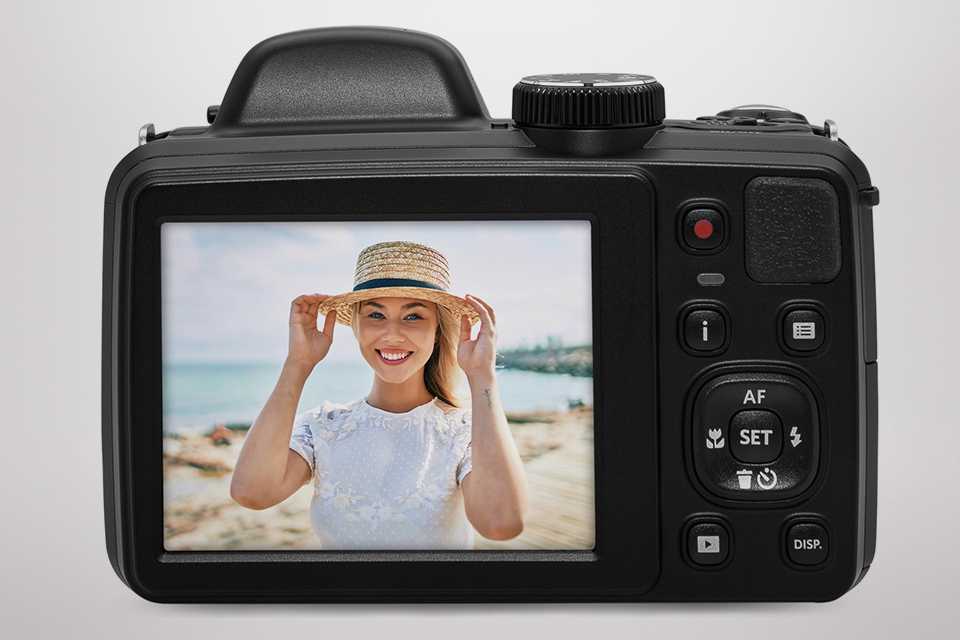
Bridge cameras sit between compact cameras and interchangeable-lens systems. They usually have a built-in lens with a broad zoom range, which can make them useful for wildlife, sport and travel. The trade-off is that you cannot swap the lens, and image quality can vary depending on the sensor and lighting conditions.
What to look for before you buy
- Condition: For a used camera, inspect the body, screen, buttons and lens mount. Ask about faults, repairs and the camera’s history.
- Sensor and image quality: A larger sensor can help in low light, but technique, lens choice and lighting also make a significant difference.
- Lens options: Check the cost and availability of lenses, especially if you are considering a DSLR or mirrorless camera.
- Ease of use: Look for controls and menus that make sense to you. A camera you enjoy using is more valuable than one with features you never touch.
- Battery and accessories: Find out whether a charger, battery, strap and memory card are included. Replacement batteries can add to the overall cost.
- Video features: If you plan to film, check the available resolution, sound connections and recording limits rather than assuming every camera is suitable.
Is a second-hand camera worth considering?
Buying used can be one of the best ways to get more camera for your money. Specialist camera shops may offer tested equipment and a warranty, while private listings can sometimes be cheaper. Read descriptions carefully and, where possible, examine the camera in person. Test the shutter, autofocus, screen, buttons and card slot, and inspect the lens for scratches, dust or fungus.
For online purchases, check the seller’s feedback, return policy and what is included. A low price is less attractive if the camera has a hidden fault or is missing a costly charger or lens.
Do you need a dedicated camera?
For casual photography, a recent smartphone may already meet your needs. It is convenient, always close at hand and often produces polished results automatically. A dedicated camera is more likely to be worthwhile if you want an optical zoom, interchangeable lenses, a viewfinder or more direct control over exposure and focus.
Before buying, think about what you want to photograph. Landscapes, portraits, close-ups and fast-moving subjects can each call for different features. Trying a camera in a shop, borrowing one or renting a model for a short time can help you decide.
Make the most of a modest budget
Good photography depends on more than the camera. Learning how light, composition and focus work can improve your pictures with any equipment. Start with the lens supplied with the camera, practise using the available settings and consider spending on a useful accessory—such as a spare battery or a simple tripod—only when you know you need it.
The best cheap photography camera is one that fits your budget, feels comfortable to use and supports the kind of pictures you want to take. Compare the full cost, check the condition and prioritise practical features over impressive specifications. With a little research, an affordable camera can be a reliable companion for years of photography.
7 Tips for Buying a Cheap Photography Camera
- Consider a used camera from a reputable seller.
- Compare older models; image quality can still be excellent.
- Check the sensor and lens condition before buying.
- Budget for a memory card and spare battery.
- Try a compact camera if portability matters most.
- Look for manual controls to learn photography.
- Compare total cost, including lenses and accessories.
Consider a used camera from a reputable seller.
Consider buying a used camera from a reputable seller to get better features for less. Specialist camera shops often test their equipment and may offer a warranty or returns, giving you extra peace of mind. Before buying, check the camera’s condition, ask about any faults and confirm what’s included, such as the battery, charger and lens. Compare prices carefully, as a very low price may not be a bargain if essential accessories are missing.
Compare older models; image quality can still be excellent.
When shopping for a cheap photography camera, compare older models as well as the latest releases. Camera technology moves quickly, so a previous-generation DSLR or mirrorless camera may cost much less while still producing excellent image quality. Check reviews, condition and compatibility with the lenses or accessories you need, and you could find a capable camera without paying a premium for newer features.
Check the sensor and lens condition before buying.
Before buying a cheap photography camera, carefully check both the sensor and the lens, particularly if the camera is second-hand. Look for dust, scratches or marks that could affect image quality, and take a few test shots against a plain, bright surface to reveal spots or uneven areas. Inspect the lens for scratches, haze or fungus, and check that the focus and zoom move smoothly. If anything is unclear, ask the seller for sample photos or have the camera checked by a reputable shop.
Budget for a memory card and spare battery.
Remember to budget for a memory card and a spare battery when buying a cheap photography camera. A memory card may not be included, and choosing one with enough capacity and a suitable speed helps you store photos reliably. A spare battery is useful for long days out or travel, so you can keep shooting when the original runs low. Check that both accessories are compatible with your camera, and include their cost when comparing prices.
Try a compact camera if portability matters most.
If portability matters most, consider a compact camera. Its small, lightweight body is easy to slip into a bag or pocket, making it handy for travel and everyday photography. Many compact models also have a built-in zoom lens, so you can frame a range of shots without carrying extra equipment. Before buying, check the zoom range, battery life and available controls to make sure the camera suits your needs.
Look for manual controls to learn photography.
Look for a camera with manual controls if you want to learn how photography works. Settings such as aperture, shutter speed and ISO let you see how light, motion and depth of field affect an image, while helping you move beyond automatic modes. You do not need an expensive camera to practise: an affordable model with accessible controls can give you room to experiment and build confidence.
Compare total cost, including lenses and accessories.
When comparing cheap photography cameras, look beyond the price on the body. Interchangeable-lens models may need a separate lens, while most cameras also require a memory card and may benefit from a spare battery, charger or protective case. Check the cost and availability of compatible lenses and accessories before buying, especially if you are considering a used camera. Adding these expenses to the purchase price gives you a clearer idea of the camera’s true cost and helps prevent an apparent bargain from stretching your budget.